





What's Happening?
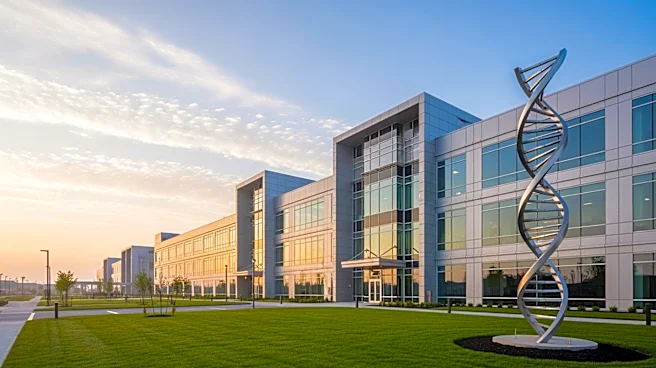
Latam sugar giant Magdalena is diversifying its operations by establishing a biomanufacturing business, including a 650,000-liter precision fermentation facility in Guatemala. This strategic shift aims to reduce reliance on volatile sugar markets and
focus on producing higher-value ingredients. The new strategy includes three pillars: Biorbis, an R&D hub in Portugal; Proteva, which upcycles spent yeast into protein ingredients; and a contract manufacturing platform in Guatemala. Magdalena is also investing in precision fermentation startups to enhance its capabilities and market reach.
Why It's Important?
Magdalena's move into biomanufacturing represents a significant shift in strategy, aiming to capitalize on the growing demand for sustainable and high-value ingredients. By leveraging existing infrastructure and feedstocks, the company can reduce production costs and increase profitability. This diversification not only mitigates risks associated with sugar market volatility but also positions Magdalena as a leader in the biomanufacturing sector. The investment in precision fermentation and R&D highlights the company's commitment to innovation and sustainability, aligning with global trends towards environmentally friendly production methods.
What's Next?
Magdalena plans to scale its precision fermentation facility in phases, with the first phase set for 2027. The company aims to anchor key clients for regular production while maintaining capacity for spot clients. As the facility expands, Magdalena will continue to explore partnerships and investments in startups to enhance its product offerings and market presence. The success of this initiative could encourage other companies in the region to explore similar diversification strategies, potentially transforming Guatemala into a hub for biomanufacturing and innovation.