


What's Happening?
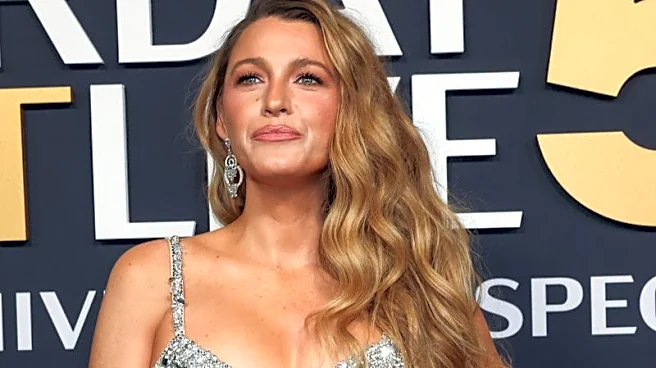
A federal judge has dismissed the majority of Blake Lively's legal claims against her 'It Ends With Us' co-star and director, Justin Baldoni. The lawsuit, which has been ongoing for over a year, involved allegations of on-set misconduct during the production
of the 2024 film. Judge Lewis Liman struck down 10 out of 13 claims, including those of sexual harassment, defamation, and conspiracy. However, claims of breach of contract, retaliation, and aiding and abetting in retaliation will proceed to trial. Lively accused Baldoni of creating a hostile work environment, citing comments about her weight and body. Following her public allegations, Lively claimed Baldoni and his associates at Wayfarer Studios retaliated with a smear campaign. Baldoni has denied these claims, attributing the social media backlash against Lively to organic sources. He also filed a $400 million countersuit against Lively and her husband, Ryan Reynolds, which was dismissed in June 2025. Despite mediation efforts, the parties have not reached a settlement, and the case is set to go to trial in May.
Why It's Important?
This legal battle highlights significant issues within the entertainment industry, particularly concerning workplace conduct and the handling of harassment allegations. The case underscores the challenges faced by individuals in the industry when addressing misconduct and the potential for public and legal repercussions. The outcome of this trial could influence future industry standards and practices regarding on-set behavior and the protection of actors' rights. Additionally, the involvement of high-profile figures like Blake Lively and Justin Baldoni brings increased public attention to these issues, potentially impacting public perception and industry policies. The trial's progression may also affect the reputations and careers of those involved, influencing their future opportunities in the entertainment sector.
What's Next?
The trial is scheduled to proceed in May, where the remaining claims of breach of contract, retaliation, and aiding and abetting in retaliation will be addressed. Both parties are expected to present their cases, with potential testimonies from involved parties and witnesses. The trial's outcome could set a precedent for how similar cases are handled in the future, potentially leading to changes in industry practices and legal standards. Stakeholders in the entertainment industry, including production companies and actors, will likely monitor the trial closely, as its results could influence contractual agreements and workplace policies. The trial may also prompt discussions about the effectiveness of current mechanisms for addressing harassment and misconduct in the industry.