







What's Happening?
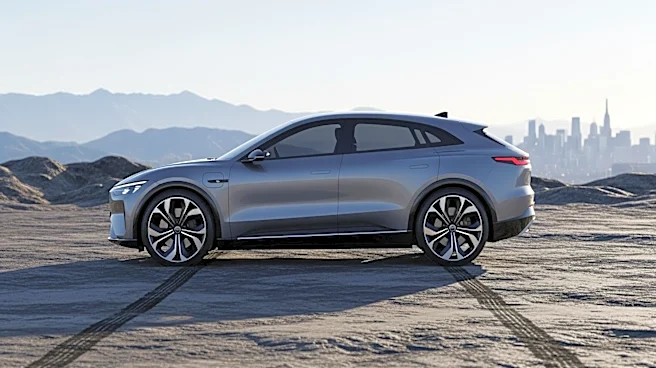
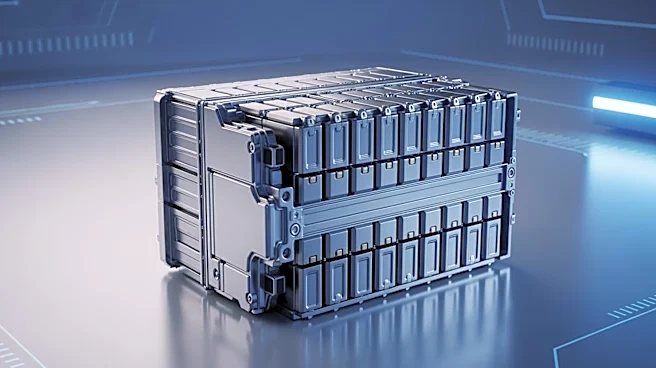
General Motors (GM) is making a significant investment of $900 million into the development of electric vehicle (EV) batteries. This initiative is centered around the use of LMR (Lithium Manganese Rich) batteries and the establishment of a new Battery
Cell Development Center at GM's Warren Technical Center near Detroit. The goal is to reduce the cost of GM's upcoming EV models, such as the Chevrolet Silverado EV, potentially lowering prices by up to $6,000. Kurt Kelty, GM's Vice President of Battery and Sustainability, has highlighted that this new battery chemistry will help maintain vehicle range while significantly cutting costs. Additionally, GM is integrating artificial intelligence (AI) into its operations to accelerate vehicle development cycles, utilizing both external AI models and proprietary systems.
Why It's Important?
This investment by GM is crucial as it represents a strategic move to enhance the competitiveness of its electric vehicles in the market. By reducing battery costs, GM can offer more affordable EV options, potentially increasing consumer adoption and market share. The integration of AI into the development process is expected to streamline operations and reduce time-to-market for new models, giving GM a technological edge. This initiative also aligns with broader industry trends towards sustainability and the reduction of carbon emissions, as automakers worldwide shift focus to electric mobility. The success of this project could influence other manufacturers to adopt similar strategies, further accelerating the transition to electric vehicles.
What's Next?
GM's focus on battery development and AI integration suggests a continued push towards innovation in the EV sector. The company is likely to monitor the performance and cost-effectiveness of the new battery technology closely. If successful, this could lead to further investments in similar technologies and possibly collaborations with other tech firms to enhance AI capabilities. The automotive industry will be watching GM's progress, as it could set a precedent for future developments in EV technology and manufacturing processes. Stakeholders, including investors and environmental groups, will be keen to see how these advancements impact GM's market position and environmental footprint.