






What's Happening?
General Motors (GM) has announced the integration of vehicle-to-grid (V2G) capabilities as a standard feature across its electric vehicle (EV) portfolio. This initiative was unveiled at GM's Empower 2026 event by Chief Product Officer Sterling Anderson.
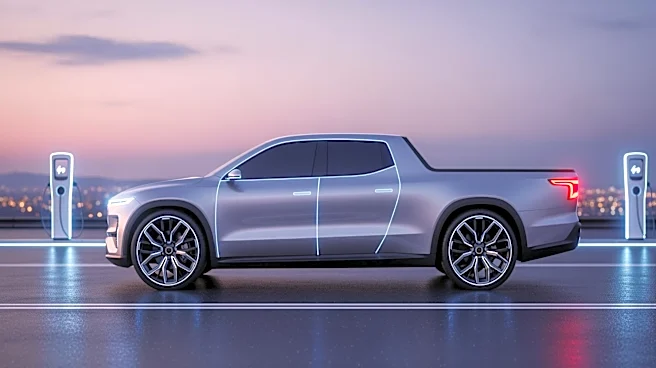
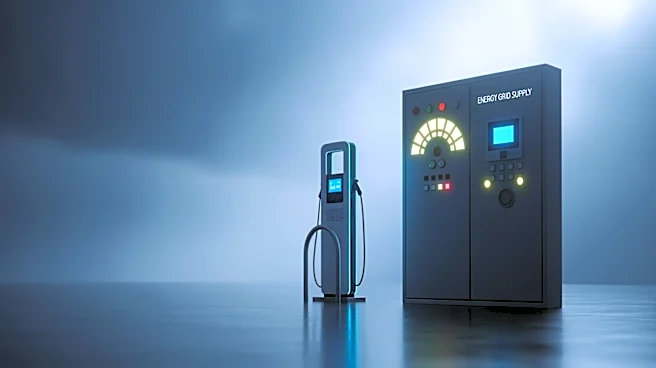
The V2G program aims to connect GM's fleet of over 250,000 bidirectional-capable EVs to home and grid networks, enhancing energy management and grid stability. The program includes models such as the Chevy Equinox EV and the Cadillac Escalade IQ. GM is collaborating with Pacific Gas and Electric Company (PG&E) in Northern California and DTE Energy in Michigan to test grid integration. By 2030, GM anticipates having 130,000 EVs operational in Northern California, with over 52,000 participating in grid-balancing protocols. Additionally, GM is partnering with Peak Energy to develop sodium-ion batteries for grid-scale storage, focusing on cycle life and cost efficiency. Redwood Materials will also deploy second-life GM battery packs at a Michigan plant, providing significant energy savings.
Why It's Important?
The introduction of V2G capabilities and sodium-ion battery technology by GM represents a significant step towards sustainable energy solutions and grid stability. By enabling EVs to interact with the grid, GM is contributing to energy efficiency and reducing reliance on traditional power sources. This initiative could lead to cost savings for consumers and utilities, as well as reduced carbon emissions. The development of sodium-ion batteries for grid storage addresses the need for cost-effective and durable energy storage solutions, which are crucial for the widespread adoption of renewable energy. GM's efforts align with broader industry trends towards electrification and sustainable energy management, potentially influencing other automakers and energy companies to adopt similar technologies.
What's Next?
GM's focus will be on finalizing utility partnerships and grid protocols to ensure seamless integration of V2G capabilities. The company is also developing a unified mobile app to manage vehicle charging, home energy use, and grid interactions. As these technologies are implemented, GM will likely monitor their impact on energy savings and grid stability. The success of these initiatives could lead to further expansion of V2G capabilities and the adoption of sodium-ion batteries across the industry. Stakeholders, including utility companies and consumers, will be closely watching the outcomes of GM's pilot programs and their potential to transform energy management practices.