

What's Happening?
Consumer Reports has released its 2026 Top Picks list, marking a significant shift in the automotive industry. For the first time, every vehicle on the list is either a hybrid, plug-in hybrid (PHEV), or full battery electric vehicle (BEV). This development
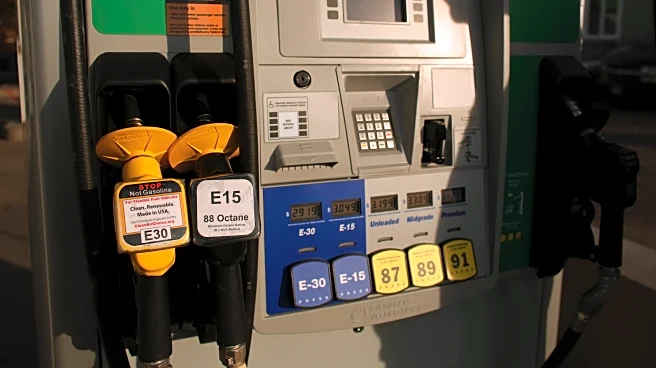
signals a departure from internal combustion engine (ICE) vehicles, which have been a staple for decades. The list highlights the growing consumer preference for electrified vehicles, driven by their reliability, performance, and value. The shift is further accelerated by geopolitical tensions, such as the conflict involving Iran, which has made gasoline prices volatile and unpredictable. As a result, consumers are increasingly turning to electrified vehicles for energy security and cost savings.
Why It's Important?
The inclusion of only electrified vehicles in Consumer Reports' 2026 Top Picks list underscores a pivotal moment in the automotive industry. This shift reflects a broader trend towards electrification, driven by consumer demand for more reliable and cost-effective transportation options. The geopolitical instability, particularly the Iran conflict, has heightened concerns over energy security, making electrified vehicles a more attractive option. This transition poses challenges for automakers that have continued to invest in ICE technology, as they may face declining market share and profitability. The move towards electrification also has significant implications for the environment, as it supports efforts to reduce carbon emissions and combat climate change.
What's Next?
As the automotive industry continues to pivot towards electrification, automakers will need to adapt their strategies to remain competitive. Companies that have invested in hybrid and electric vehicle technology, such as Toyota, Hyundai, and Tesla, are well-positioned to capitalize on this trend. Meanwhile, those that have focused on ICE vehicles may need to accelerate their transition to electrified powertrains to avoid losing market share. Consumers are likely to see an increase in the availability and variety of electrified vehicles, as well as improvements in charging infrastructure and battery technology. Policymakers may also play a role in supporting this transition through incentives and regulations that encourage the adoption of cleaner vehicles.
Beyond the Headlines
The shift towards electrified vehicles has deeper implications beyond immediate market trends. It represents a cultural and technological transformation in how society views transportation. The move away from ICE vehicles could lead to changes in urban planning, with increased emphasis on sustainable infrastructure and reduced reliance on fossil fuels. Additionally, the rise of electrified vehicles may spur innovation in related industries, such as renewable energy and smart grid technology. As consumers become more accustomed to electrified vehicles, there may also be a shift in consumer expectations regarding vehicle features, performance, and connectivity.