





What's Happening?
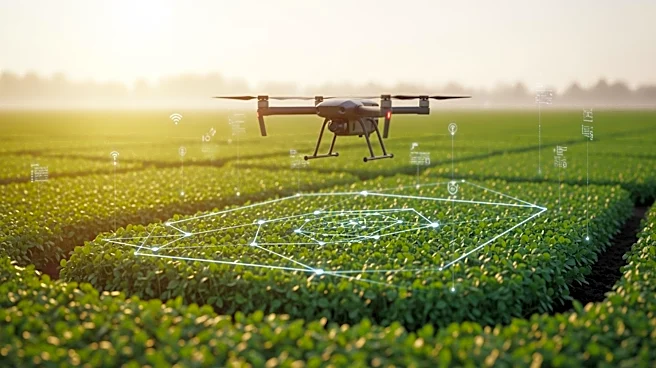
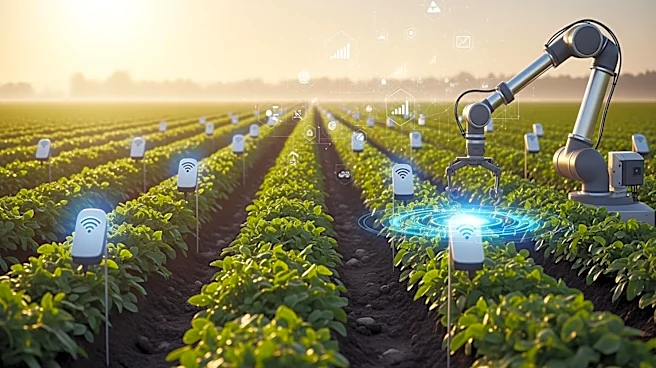
The Smart Farming Market is projected to grow significantly, reaching $26.75 billion by 2033, with a compound annual growth rate (CAGR) of 9.1% from 2025 to 2033. This growth is driven by the increasing adoption of IoT devices, sensors, and precision
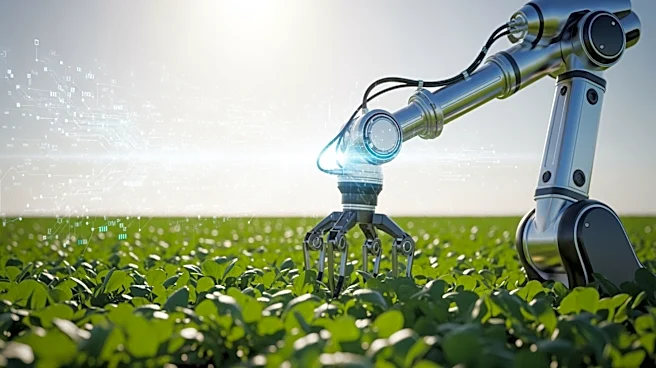
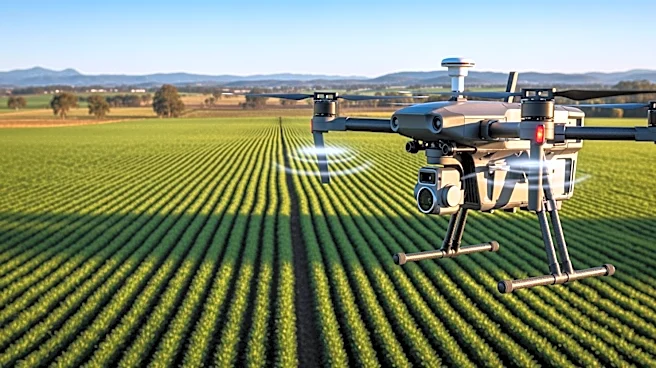
agriculture tools that enable real-time monitoring of soil and crops. The market expansion is further supported by government subsidies for sustainable practices and the rising demand for food security amid global population growth. Key industry players like John Deere are investing in partnerships and technological advancements to enhance smart farming capabilities, such as AI-driven analytics and autonomous farming solutions.
Why It's Important?
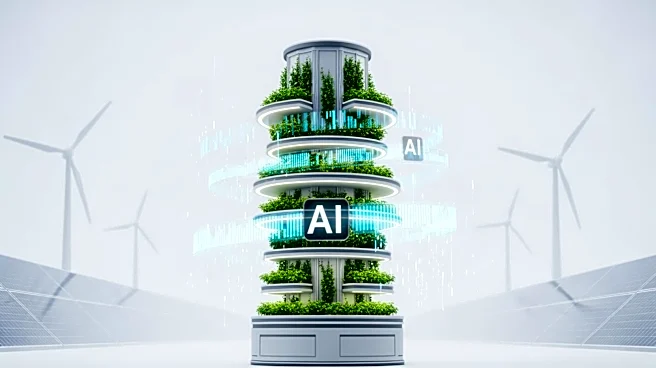
The expansion of the Smart Farming Market is crucial for addressing global food security challenges and optimizing agricultural productivity. By leveraging IoT and AI technologies, farmers can improve resource management, reduce costs, and increase yields, which is essential in the face of climate change and population growth. The integration of these technologies also supports sustainable farming practices, reducing environmental impact and conserving resources. As the market grows, it presents opportunities for technological innovation and economic development in the agricultural sector, benefiting farmers, technology providers, and consumers.
What's Next?
As the Smart Farming Market continues to grow, further advancements in AI and IoT technologies are expected to enhance precision agriculture practices. Companies are likely to focus on developing more sophisticated tools for real-time data analysis and decision-making, improving efficiency and sustainability in farming operations. Additionally, government policies and subsidies will play a significant role in promoting the adoption of smart farming technologies, particularly in regions with high agricultural output. The market's growth will also drive increased collaboration between technology providers and agricultural stakeholders to address challenges such as connectivity and digital literacy.