



What's Happening?
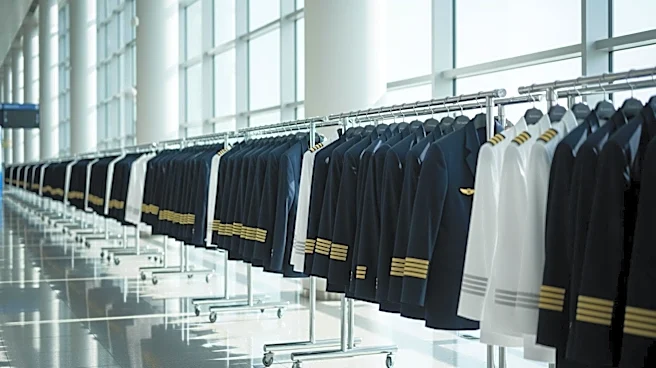
Major U.S. airlines are increasingly moving towards a more 'professionalized' workforce by reducing part-time employment in favor of full-time roles. This shift is evident in the data showing a decline in part-time roles from 11% in 2019 to a projected
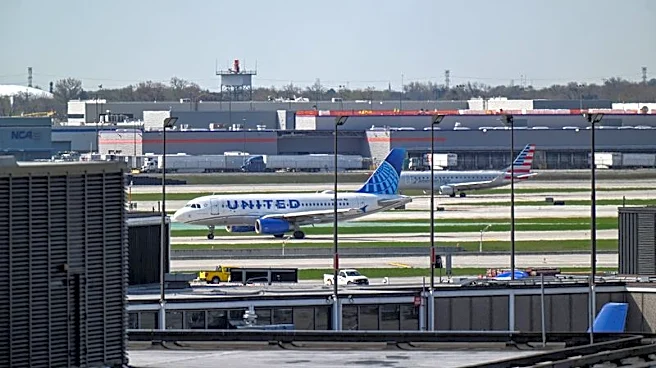
9% by 2026. Delta Air Lines has been at the forefront of this change, reducing its part-time workforce from 12% to just 2%, thereby committing to a nearly fully full-time workforce. This transition is part of a broader strategy to enhance operational reliability, brand differentiation, and product consistency. However, it also results in more rigid labor contracts and higher wage floors. In contrast, airlines like United Airlines and Allegiant Air are maintaining a higher share of part-time employees to retain flexibility and leverage in labor negotiations.
Why It's Important?
The shift towards a full-time workforce in the airline industry has significant implications for labor dynamics and operational strategies. Full-time employment typically leads to higher retention rates, better training return on investment, and more consistent operations, which are crucial for premium-heavy carriers. However, this also means higher fixed costs and less flexibility in scaling labor with demand fluctuations. As airlines commit to this model, they may face challenges during economic downturns when adaptability is crucial. The move also strengthens labor's negotiating power, potentially leading to more coordinated workgroups and increased strike risks. This structural change in workforce management could redefine how airlines negotiate and operate, impacting their competitive positioning and financial performance.
What's Next?
As airlines continue to professionalize their workforce, they may face increased pressure from labor unions and potential strikes, especially if economic conditions worsen. The industry is likely to see a stratification into tiers based on labor cost and stability, with some airlines opting for high-cost, high-stability models, while others maintain hybrid flexibility. This could lead to varied operational strategies and financial outcomes. Airlines will need to balance the benefits of a stable workforce with the need for flexibility to navigate economic cycles effectively. The ongoing changes may also prompt discussions on labor policies and regulations within the industry.