







What's Happening?
A recent NBC News Decision Desk Poll reveals that nearly half of adults aged 18-29 would prefer to live in the past, with a significant portion expressing a desire to return to a time before the pervasive influence of social media and computers. This
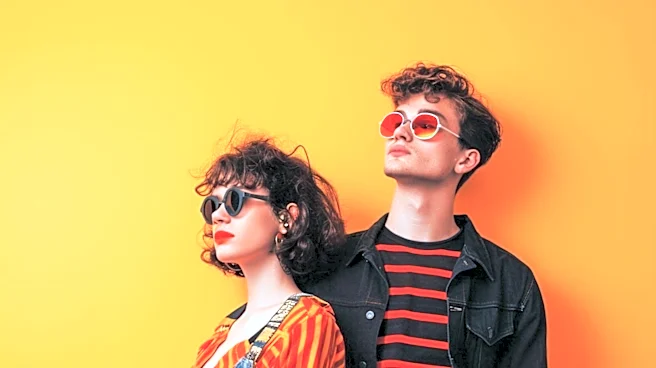
sentiment is part of a broader trend among Gen Z, who are increasingly drawn to the culture, fashion, and technology of the 1980s, 1990s, and early 2000s. The poll indicates that 62% of Gen Z respondents believe their future prospects are worse compared to previous generations, and 80% feel the United States is on the wrong track. This nostalgia is reflected in the resurgence of retro fashion items and the popularity of figures from the 1990s, driven by a longing for a simpler, less digitally connected era.
Why It's Important?
The growing nostalgia among Gen Z for past eras highlights a significant cultural shift that could impact various industries, including fashion, technology, and media. As young adults seek comfort in the past, there is a potential market for retro products and experiences that evoke a sense of community and simplicity. This trend also underscores a broader societal concern about the rapid pace of technological advancement and its impact on mental health and social connections. Businesses and policymakers may need to address these concerns by promoting digital well-being and creating products that balance modern convenience with a desire for authenticity and simplicity.
What's Next?
As this trend continues, companies in the fashion and technology sectors may increasingly cater to Gen Z's nostalgic preferences by offering products that blend modern functionality with retro aesthetics. Additionally, there may be a push for policies that address the mental health impacts of constant digital connectivity, potentially leading to initiatives that promote digital detox and mindful technology use. The entertainment industry might also see a rise in content that celebrates or reimagines past eras, further fueling this nostalgic movement.