







What's Happening?
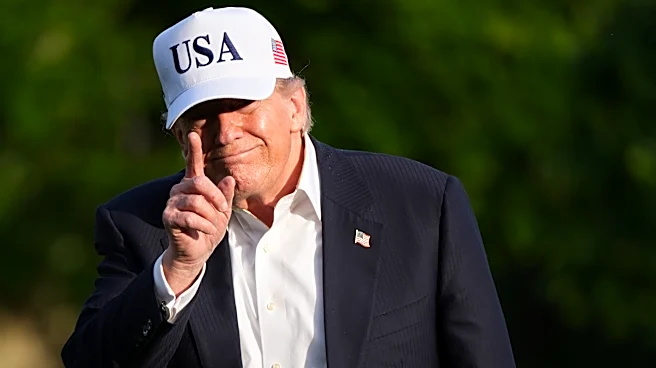
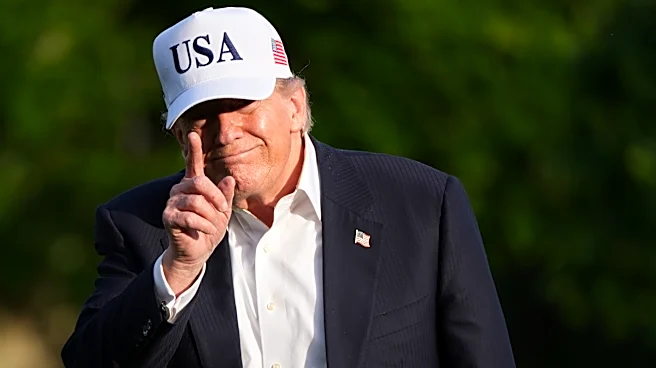
The U.S. dollar has retreated from a six-week high as optimism grows over a potential deal with Iran to end the ongoing conflict in the Middle East. President Trump indicated that negotiations with Iran are nearing completion, although he warned of potential further
attacks if an agreement is not reached. This development has led to a decrease in Treasury yields, which in turn has weakened the dollar, traditionally seen as a safe-haven investment. The dollar index, which measures the greenback against a basket of currencies, fell by 0.21% to 99.10. Concurrently, the Japanese yen has been experiencing volatility, with its value nearing levels that previously prompted Japanese officials to intervene in the currency market.
Why It's Important?
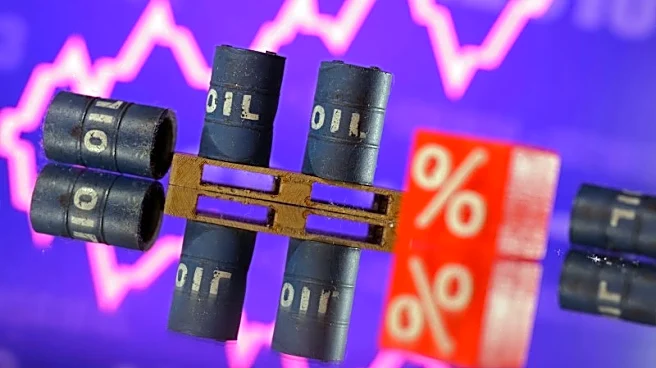
The potential resolution of the conflict with Iran could have significant implications for global markets, particularly in terms of energy prices and inflation. A deal could stabilize oil prices, which have been volatile due to the conflict's impact on the Strait of Hormuz, a critical passage for global oil shipments. Additionally, the Federal Reserve's monetary policy is closely tied to these developments. The anticipation of a deal and its impact on inflation could influence the Fed's decision on interest rates, which are currently expected to rise. This situation underscores the interconnectedness of geopolitical events and economic policy, affecting both domestic and international markets.
What's Next?
If a deal with Iran is reached, it could lead to a stabilization of energy prices and a potential shift in the Federal Reserve's approach to interest rates. Market participants will be closely watching for any official announcements regarding the deal and subsequent reactions from major stakeholders, including the U.S. government and international financial markets. Additionally, the response from Japan regarding the yen's value will be critical, as further interventions could impact global currency markets.