
What's Happening?
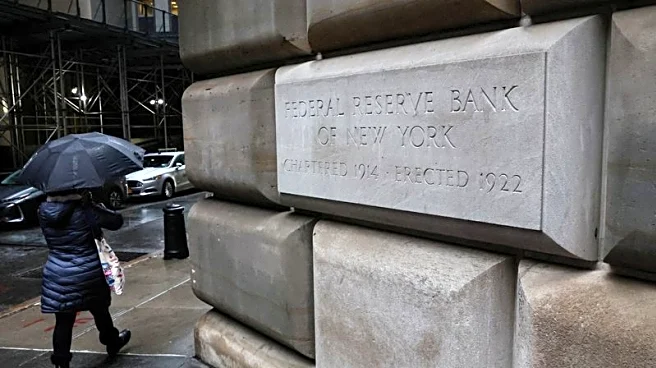
Chicago Fed President Austan Goolsbee has expressed caution regarding the timing of potential interest rate cuts, emphasizing the need for evidence of declining inflation before making such decisions. Goolsbee highlighted the risks of relying on anticipated
productivity growth to justify looser monetary policy, a view supported by Fed chair nominee Kevin Warsh and Governor Stephen Miran. Goolsbee argued that the current economic situation differs from past periods when productivity gains allowed for strong growth without inflation. He warned that premature rate cuts could overheat the economy, especially given the current inflation rate, which remains above the Fed's target.
Why It's Important?
Goolsbee's comments underscore a critical debate within the Federal Reserve about balancing economic growth with inflation control. The decision to delay rate cuts reflects concerns about maintaining economic stability and avoiding inflationary pressures. This cautious approach impacts various economic stakeholders, including businesses and consumers, who rely on predictable borrowing costs. The discussion also highlights the challenges of forecasting economic trends, particularly in the context of technological advancements and their potential impact on productivity and inflation.
What's Next?
The Federal Reserve is expected to maintain its current interest rate policy at the upcoming March meeting, with potential rate cuts not anticipated until later in the year. The confirmation of Fed chair nominee Kevin Warsh could influence future policy decisions. Stakeholders will continue to monitor inflation trends and economic indicators to gauge the Fed's next moves. The impact of recent trade policy changes, including the Supreme Court's decision on tariffs, will also play a role in shaping the Fed's approach to monetary policy.