







What's Happening?
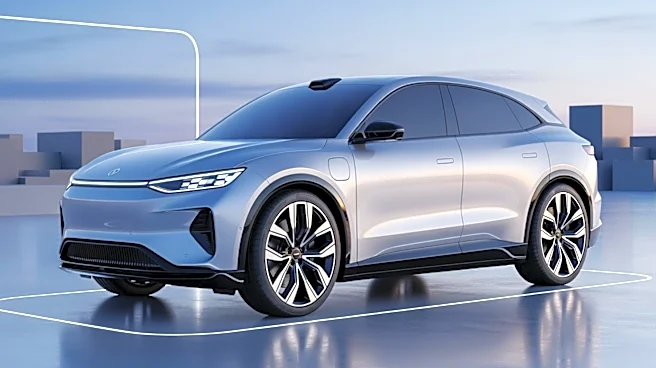
The automotive industry is undergoing significant changes in 2026, driven by economic pressures, technological advancements, and shifting consumer preferences. Automakers are grappling with tariffs, regulatory changes, and the high costs of research and development.
The market is seeing a resurgence in hybrid vehicles as federal incentives for battery-electric vehicles (BEVs) decrease and U.S. fuel economy standards are rolled back. This shift is partly due to consumer demand for more affordable and versatile vehicles. The average price of new vehicles has risen to $49,275, a 3.5% increase from the previous year, highlighting affordability challenges. Additionally, the industry is moving towards software-defined vehicles and varying degrees of autonomous technology, although full autonomy remains a distant goal.
Why It's Important?
These developments are crucial as they reflect broader economic and technological trends impacting the U.S. automotive sector. The shift towards hybrids and software-defined vehicles indicates a transition in consumer expectations and technological capabilities. Automakers are under pressure to balance innovation with profitability, especially as geopolitical factors like tariffs and conflicts in the Middle East affect supply chains and costs. The industry's ability to adapt to these changes will determine its future competitiveness and sustainability. Consumers stand to benefit from more efficient and technologically advanced vehicles, but affordability remains a significant barrier.
What's Next?
Looking ahead, the automotive industry is expected to become more disciplined, with a focus on aligning technological ambitions with consumer demand and profitability. The ongoing conflict in the Middle East and potential changes to trade agreements like the USMCA could further impact costs and supply chains. Automakers will need to navigate these uncertainties while continuing to invest in BEVs, software, and autonomous technologies. The industry's success will depend on its ability to innovate and adapt to changing market conditions and consumer preferences.
Beyond the Headlines
The shift towards software-defined vehicles and increased data collection presents ethical and privacy concerns. As vehicles become more connected, the potential for data misuse or breaches increases, raising questions about consumer privacy and data security. Additionally, the reliance on advanced technology may widen the gap between consumers who can afford these innovations and those who cannot, potentially exacerbating economic inequalities.