






What's Happening?
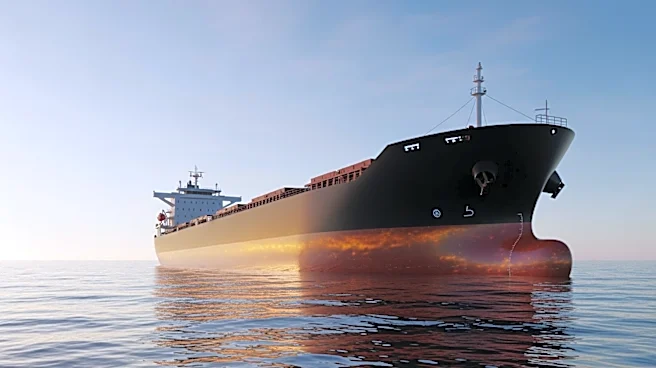
Brazilian mining giant Vale has partnered with China's Shandong Shipping Corporation to construct the first large ocean-going vessels powered by ethanol. This collaboration involves 25-year contracts for two new ships, with options for additional vessels.
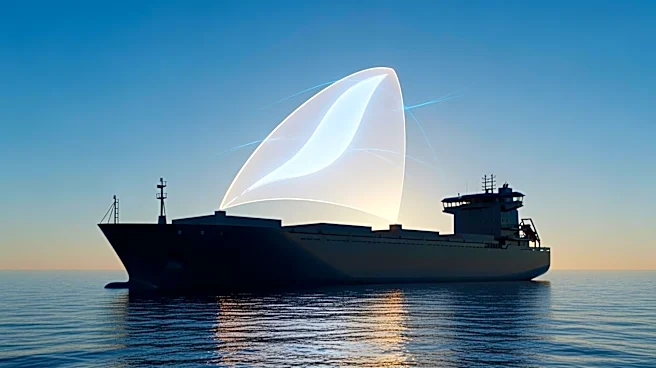
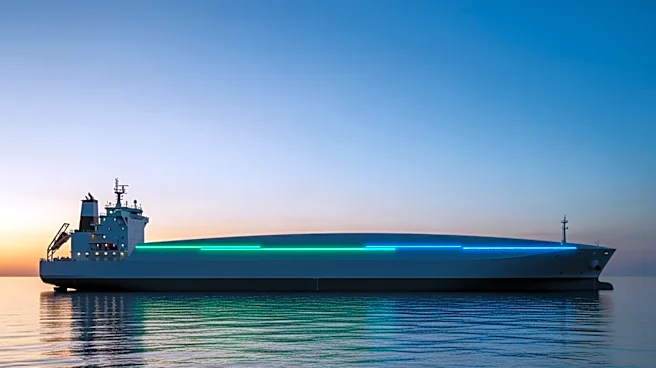
These ships, based on the Guaibamax design, will be capable of using ethanol, methanol, and heavy fuel oil, with future conversion potential for liquefied natural gas or ammonia. The initiative is part of a broader multi-fuel strategy aimed at reducing carbon emissions. Vale highlights that ethanol can cut carbon emissions by approximately 90% compared to heavy fuel oil. The new vessels will also feature energy efficiency improvements, such as rotor sails and advanced engines, expected to reduce greenhouse gas emissions by 15% compared to current models.
Why It's Important?
This development marks a significant step towards sustainable shipping practices, aligning with global efforts to reduce carbon emissions in maritime transport. By adopting ethanol as a primary fuel, Vale and Shandong Shipping are setting a precedent for the industry, potentially influencing other companies to explore alternative fuels. The environmental benefits, including a substantial reduction in carbon emissions, could enhance Vale's reputation as a leader in sustainable logistics. Additionally, the technological advancements in these vessels may drive innovation in ship design and fuel efficiency, contributing to broader environmental goals and regulatory compliance in the shipping industry.
What's Next?
As Vale and Shandong Shipping move forward with this initiative, the shipping industry will likely monitor the performance and environmental impact of these ethanol-powered vessels. Successful implementation could lead to wider adoption of ethanol and other alternative fuels, prompting regulatory bodies to consider new standards and incentives for sustainable shipping. The partnership may also encourage further collaborations between companies in different sectors to develop and deploy green technologies. Stakeholders, including environmental groups and regulatory agencies, will be keen to assess the long-term viability and scalability of ethanol as a marine fuel.