




What's Happening?
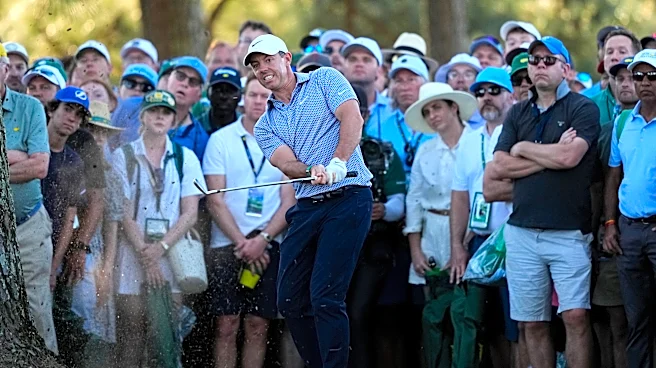
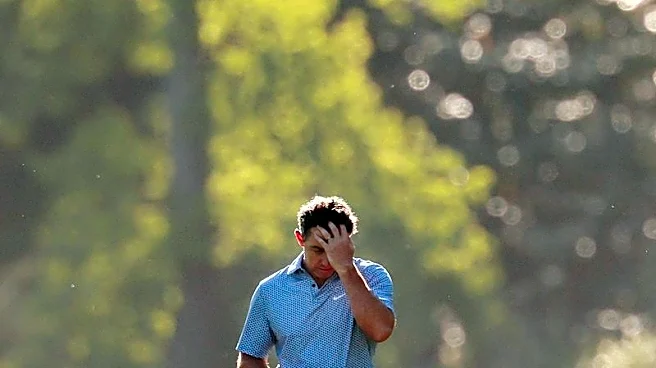
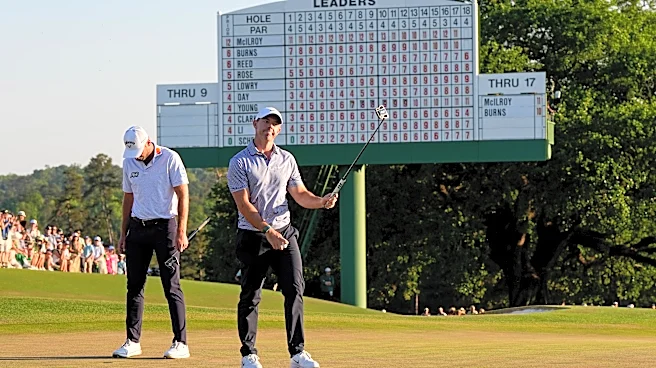
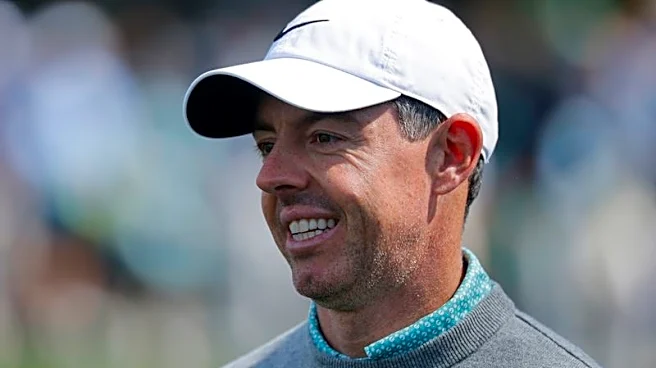
Rory McIlroy, who had a six-shot lead at the Masters, saw his advantage evaporate during the third round. McIlroy's performance included a series of errors, such as hitting into the trees and water, resulting in a score of 73. He now shares the lead with
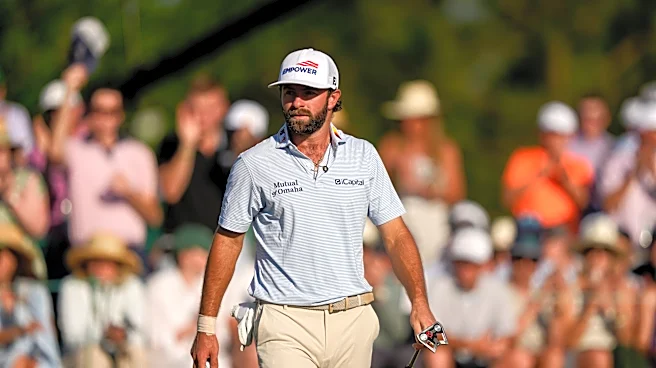
Cameron Young, who delivered a strong performance with a 7-under 65. The competition has intensified, with nine players within six shots of the lead. McIlroy's initial dominance was challenged by Young and other contenders, including Scottie Scheffler, who is four shots behind. The final round promises a thrilling contest for the green jacket.
Why It's Important?
The shift in McIlroy's lead is crucial as it opens up the competition, making the final round more unpredictable and exciting for fans and stakeholders. McIlroy's performance impacts his chances of securing back-to-back Masters wins, a feat achieved by few. The increased competition highlights the depth of talent in professional golf, with multiple players now in contention. This development may influence betting markets and viewership, as fans tune in to see who will emerge victorious. The outcome could also affect McIlroy's legacy and standing in the sport, as well as the careers of other top contenders.
What's Next?
The final round of the Masters will see McIlroy and Young competing for the title, along with other close contenders. The outcome will determine the winner of the prestigious green jacket and could have implications for future tournaments and rankings. Stakeholders such as sponsors, media, and fans will be closely monitoring the performances. The final round may also prompt discussions on strategy and mental resilience in golf, as players navigate the pressures of high-stakes competition. The results could influence future sponsorship deals and opportunities for the leading players.