

What's Happening?
BHP Group, the world's largest mining company, forecasts a tightening global potash market over the next decade due to rising demand and geopolitical tensions affecting fertilizer supply chains. The demand for potash, a key crop nutrient, is increasing
by 2% to 3% annually. BHP's Jansen potash project in Saskatchewan, Canada, is expected to play a crucial role in meeting this demand, with operations set to begin in mid-2027. The project aims to reach an annual capacity of 4.1 million tons within two years, with a second phase potentially doubling output. BHP is targeting major markets such as Brazil, Southeast Asia, China, India, and the US.
Why It's Important?
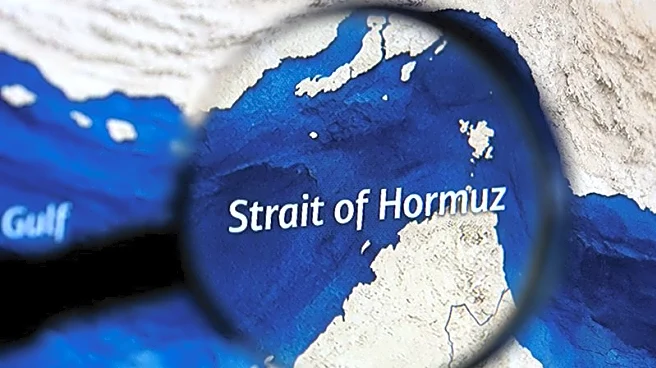
The anticipated potash market deficit highlights the growing importance of securing reliable fertilizer supplies amid global agricultural demands. BHP's investment in the Jansen project underscores its strategic shift towards potash as a major revenue driver, akin to its historical focus on iron ore. The project is crucial for countries like Brazil, which heavily rely on potash imports for agriculture. The geopolitical landscape, including conflicts in the Middle East, further exacerbates supply chain vulnerabilities, making BHP's production capabilities vital for global food security.
What's Next?
As BHP progresses with the Jansen project, it will focus on converting preliminary commercial agreements into binding contracts, particularly in Brazil. The company will also continue to navigate cost challenges, having already exceeded initial investment estimates. The global potash market will likely see increased competition as other producers seek to capitalize on rising demand. BHP's success in expanding its potash operations could influence other mining companies to invest in similar projects, potentially reshaping the global fertilizer industry.