






What's Happening?
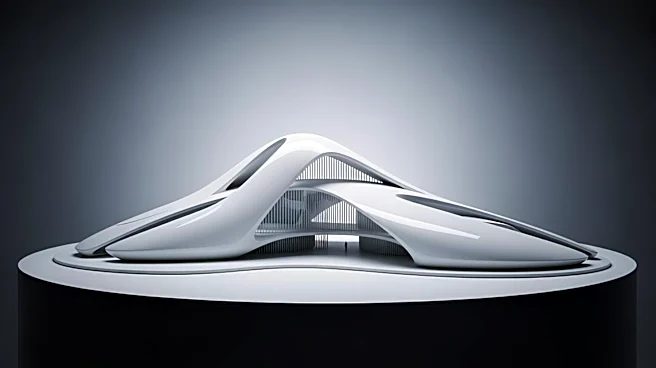
A rare architectural piece by the late Zaha Hadid, known as the VOLU Dining Pavilion, is set to be auctioned on April 8 at Hermitage Fine Art in Monaco. This pavilion, designed in collaboration with German architect Patrick Schumacher, was originally
commissioned for the Revolution Project at the Design Miami fair in 2015. The pavilion is notable for its clamshell shape and is crafted from sustainably sourced American oak. It is expected to sell for between €900,000 and €1.1 million ($1.03 million–$1.2 million). The pavilion was previously featured in a 2016 Cannes benefit auction organized by the nonprofit amfAR, where it was sold alongside other luxury items. This auction marks the second time this particular edition of the pavilion is being offered for sale.
Why It's Important?
The auction of the VOLU Pavilion highlights the enduring legacy and influence of Zaha Hadid in the field of architecture. Known for her innovative and futuristic designs, Hadid's work continues to attract significant interest and high valuations in the art and architecture markets. The sale of this pavilion not only underscores the value placed on Hadid's creations but also reflects the broader market trends where unique architectural pieces are increasingly seen as valuable collectibles. This auction could set a precedent for the valuation of similar architectural works, impacting how such pieces are perceived and traded in the future.
What's Next?
Following the auction, the outcome could influence future sales of architectural works by Hadid and other renowned architects. If the pavilion achieves or exceeds its estimated price, it may encourage more collectors to consider architectural pieces as viable investment opportunities. Additionally, the sale could prompt other owners of Hadid's works to bring their pieces to market, potentially increasing the availability and visibility of her designs. The auction's results will be closely watched by collectors, art dealers, and architecture enthusiasts alike.
Beyond the Headlines
The auction of the VOLU Pavilion also raises questions about the preservation and appreciation of architectural works as art forms. As more architectural pieces enter the auction market, there may be a growing need to establish guidelines for their conservation and display. This trend could lead to a reevaluation of how architectural works are integrated into private collections and public exhibitions, potentially influencing future architectural practices and the cultural significance of such works.