
What's Happening?
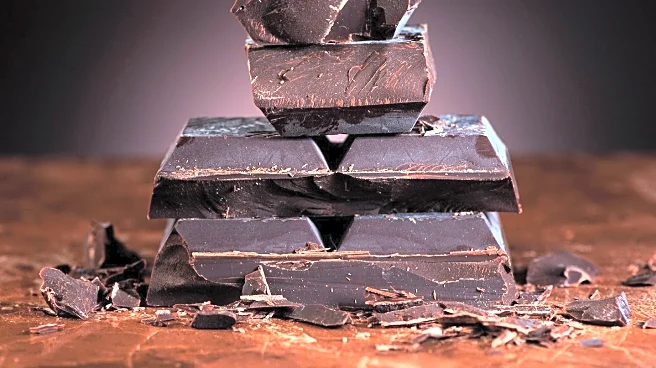
Researchers at King's College London have discovered that theobromine, a chemical found in dark chocolate, may possess anti-aging properties. The study, published in the journal Aging, highlights the potential
of theobromine to influence biological aging, which is determined by the age of cells and organs rather than chronological age. The research involved analyzing chemical changes in DNA and telomere length among approximately 1,600 participants from two European study groups. Findings suggest that higher levels of theobromine in the bloodstream are associated with a lower biological age. The study also explored other compounds in cocoa, but theobromine was most strongly linked to aging differences. While the results are promising, researchers caution against increasing dark chocolate consumption without further analysis, as chocolate also contains high levels of sugar, fat, and calories.
Why It's Important?
This study is significant as it provides insights into how everyday foods like dark chocolate could contribute to healthier, longer lives. The potential anti-aging effects of theobromine could have implications for public health, particularly in understanding dietary impacts on aging and age-related diseases such as cancer, Type 2 diabetes, and heart disease. The research underscores the importance of diet in influencing biological aging and could lead to new dietary recommendations or interventions aimed at promoting longevity. However, the study also highlights the need for caution, as the health benefits of chocolate must be weighed against its high sugar and fat content.
What's Next?
Future research will likely focus on understanding the mechanisms behind theobromine's anti-aging effects and its interactions with other dietary metabolites. Researchers aim to explore how these interactions affect the epigenome and contribute to aging and disease prevention. Further studies could lead to the development of new dietary guidelines or supplements that harness the benefits of theobromine without the drawbacks of chocolate's sugar and fat content. Additionally, the findings may prompt further investigation into other foods and compounds that could similarly influence biological aging.