









What's Happening?
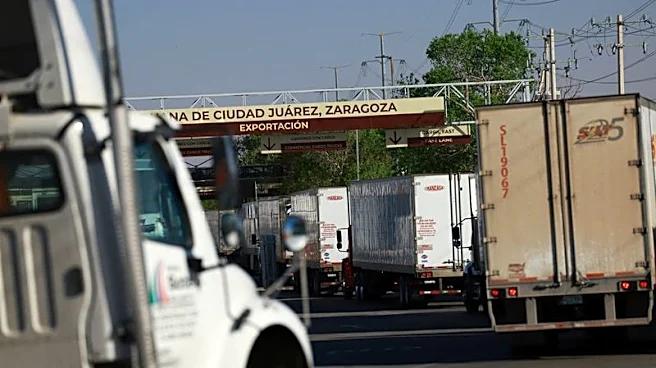
Rio Tinto has successfully restored its aluminium exports to the United States to pre-tariff levels, following a period of significant trade disruption caused by U.S. import tariffs. Initially, the imposition of a 50% import duty on aluminium led to a sharp
decline in Rio Tinto's U.S.-bound shipments, which fell from 80% to the mid-60% range of its North American output. In response, Rio Tinto implemented a dual strategy: redirecting Canadian aluminium volumes to European markets and purchasing aluminium from the U.S. domestic spot market to maintain supply to American customers. This strategic flexibility allowed Rio Tinto to navigate the tariff-induced challenges and eventually restore its U.S. export levels. The recovery is marked by re-established customer relationships and improved margins due to elevated U.S. premiums.
Why It's Important?
The recovery of Rio Tinto's aluminium exports to the U.S. highlights the resilience and adaptability of major commodity producers in the face of trade policy disruptions. The ability to pivot between markets and manage supply chains effectively is crucial for maintaining competitive advantage in the global aluminium industry. This development underscores the importance of strategic flexibility and commercial discipline in navigating complex trade environments. Additionally, the situation illustrates the broader impact of tariffs on supply chain dynamics and pricing structures, affecting not only producers but also consumers and industries reliant on aluminium. The restoration of trade flows also reinforces the critical role of Canadian aluminium in U.S. supply security, given its lower carbon footprint and established logistics infrastructure.
What's Next?
Looking ahead, the aluminium market may continue to experience volatility due to ongoing geopolitical tensions and potential changes in trade policies. Rio Tinto and other producers will likely focus on maintaining strategic flexibility to adapt to future disruptions. The emphasis on sustainability and low-carbon production is expected to grow, potentially influencing procurement decisions and market dynamics. Additionally, the U.S. may explore options to enhance domestic aluminium production capacity to reduce reliance on imports, although challenges such as high electricity costs remain significant barriers. Stakeholders will need to monitor developments in trade policies and energy markets to anticipate further shifts in the aluminium industry.
Beyond the Headlines
The situation with Rio Tinto's aluminium exports also highlights the evolving landscape of energy economics, particularly the impact of electricity costs on industrial production. As data centers and other high-demand sectors drive up electricity prices, traditional industries like aluminium smelting face increased competition for affordable energy. This dynamic may influence future investment decisions and the geographic distribution of production facilities. Furthermore, the emphasis on low-carbon production aligns with broader trends towards sustainability and environmental responsibility, which are becoming increasingly important in global trade and industry practices.