






What's Happening?
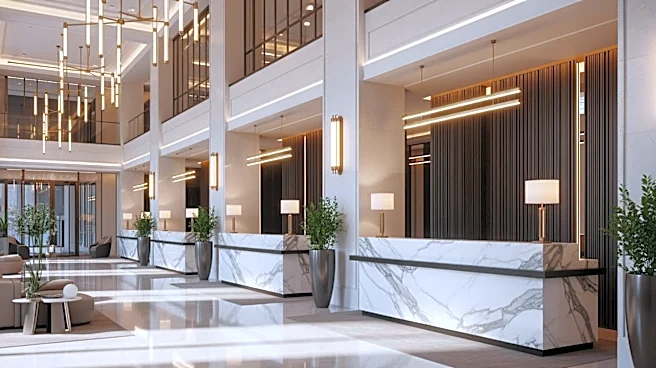
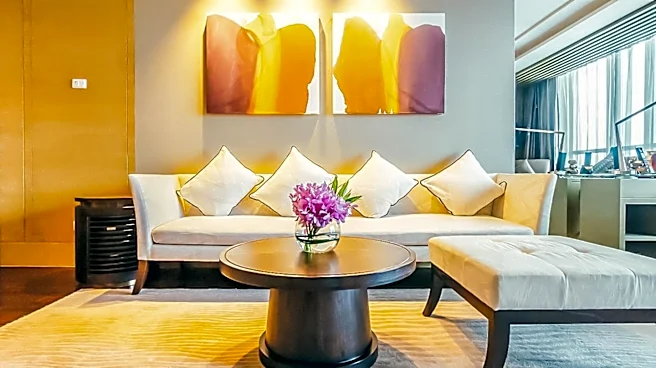
W Scottsdale, located in Arizona's Entertainment District, has announced a significant renovation of its iconic Living Room. Designed by MONOGRAM at BBGM, the reimagined space draws inspiration from the Sonoran Desert, transitioning from a daytime lounge
to a vibrant nightlife destination. The renovation, expected to be completed by late spring 2026, aims to enhance guest experiences by offering a seamless blend of productivity and leisure. The space will feature enhanced natural lighting and a dynamic atmosphere that shifts from day to night, complemented by live music, DJs, and creative pop-ups.
Why It's Important?
The renovation of W Scottsdale's Living Room reflects the hotel's commitment to elevating guest experiences and adapting to changing consumer preferences. By creating a versatile space that caters to both business and leisure travelers, the hotel enhances its appeal and competitiveness in the hospitality market. The transformation also aligns with broader industry trends towards experiential offerings, where guests seek unique and memorable experiences. This strategic move may attract a diverse clientele, boosting occupancy rates and revenue.
What's Next?
As the renovation progresses, W Scottsdale may introduce new programming and events to further engage guests and enhance the Living Room's appeal. The hotel's focus on creating a dynamic and immersive environment could lead to collaborations with local artists and businesses, fostering community engagement and cultural exchange. Additionally, the successful completion of the renovation may inspire other properties within the W brand to adopt similar strategies, potentially influencing design trends across the hospitality industry.
Beyond the Headlines
The emphasis on creating a versatile and immersive space highlights the growing importance of experiential design in hospitality. As consumers increasingly value experiences over material goods, hotels may prioritize creating environments that foster connection and engagement. This shift could lead to innovative design approaches that integrate local culture and natural elements, enhancing the authenticity and appeal of hospitality offerings.