





What's Happening?
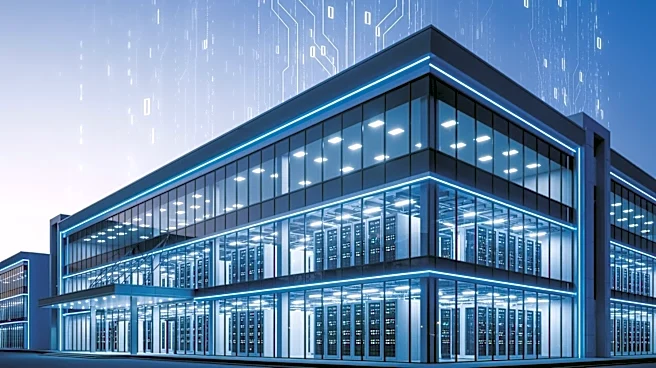
As artificial intelligence (AI) training becomes more prevalent, data centers dedicated to this purpose are presenting significant challenges to power grids. These centers, which utilize large amounts of processing power from GPUs and TPUs, create massive
and unpredictable power demands. Unlike traditional data centers or industrial power consumers, AI training facilities experience rapid and simultaneous power spikes, which can destabilize both local and broader power grids. This has led to concerns about potential widespread outages. In response, some regions, like Texas, have begun implementing regulations to mitigate these risks, requiring AI data centers to include buffering systems to stabilize their energy consumption.
Why It's Important?
The rise of AI training data centers represents a significant shift in power consumption patterns, posing new challenges for utility companies and grid operators. The unpredictable nature of power demands from these centers can lead to frequency and voltage spikes, risking grid stability and potentially causing outages. This situation necessitates new regulatory measures and technological solutions to ensure grid reliability. The development of battery energy storage systems (BESS) and microgrid controls are among the strategies being employed to manage these challenges. Successfully integrating these solutions is crucial for maintaining power reliability and supporting the growth of AI technologies.
What's Next?
To address the challenges posed by AI training data centers, the industry must continue to innovate and adapt. This includes rethinking interconnection standards and developing more robust buffering and microgrid integration solutions. As the demand for AI processing power grows, utilities and data center operators will need to collaborate closely to ensure that power systems can accommodate these new loads without compromising grid stability. The implementation of advanced supervisory control systems and generation management software will be key to achieving this balance and ensuring the long-term viability of AI data centers as grid participants.
Beyond the Headlines
The rapid growth of AI training data centers highlights broader implications for the energy sector, including the need for more sustainable and efficient power generation methods. The reliance on islanded power plants, often fueled by gas turbines, underscores the current limitations of grid infrastructure. As the industry evolves, there will be increased pressure to develop cleaner energy solutions and improve the efficiency of power systems. This shift could drive significant changes in energy policy and investment, with a focus on integrating renewable energy sources and enhancing grid resilience.