
What's Happening?
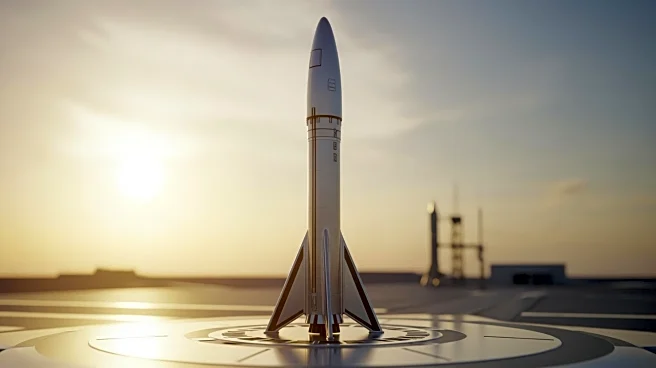
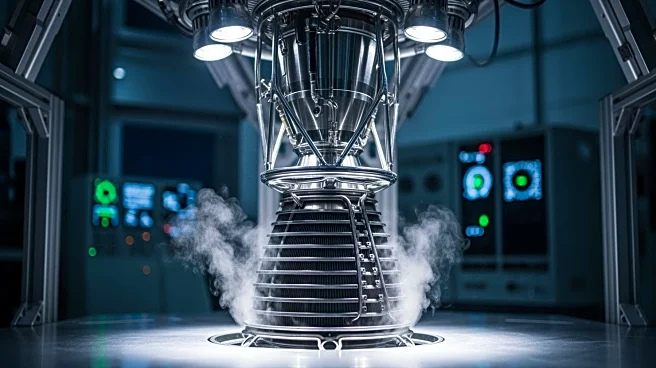
SpaceX has conducted a static fire test of its Starship V3's 'Super Heavy' first stage at the Starbase site in South Texas. This test, which took place on March 16, involved igniting 10 of the booster's engines while the vehicle remained anchored to the pad.
The test ended early due to a ground-side issue, and SpaceX plans to conduct a full static fire with all 33 Raptor engines. This operation is part of the preparations for Starship's 12th test flight, scheduled for early to mid-April. The upcoming mission will be the first for a V3 vehicle, which is designed to support missions to the moon and Mars.
Why It's Important?
The successful testing and eventual launch of the Starship V3 are crucial for SpaceX's long-term goals of space exploration and colonization. The V3 variant, with its enhanced capabilities, represents a significant advancement in SpaceX's technology, allowing for greater payload capacity and the potential for interplanetary travel. This development is a step forward in the commercial space race, potentially impacting industries related to space travel, satellite deployment, and space tourism. The success of these tests could bolster SpaceX's position as a leader in the aerospace industry and influence future space policy and investment.
What's Next?
SpaceX plans to conduct a full static fire test with all 33 Raptor engines before the scheduled launch in April. The company will continue to prepare for the Starship's 12th test flight, which will be the first for the V3 vehicle. This mission will test the vehicle's capabilities and its readiness for future missions to the moon and Mars. Stakeholders, including NASA and commercial partners, will be closely monitoring these developments as they could influence future collaborations and contracts.