


What's Happening?
RJ Scaringe, the founder and CEO of Rivian, has expressed concerns about the current approach to humanoid robots in manufacturing. He argues that many robotic systems, particularly humanoid ones, are overly complex for their intended tasks. Scaringe believes
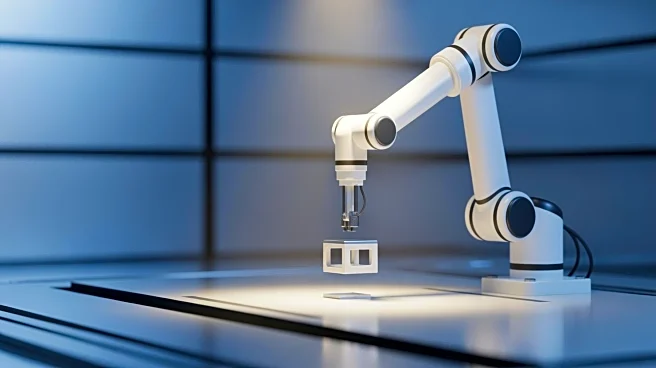
that mimicking human biomechanics in manufacturing environments is unnecessary and misses the fundamental point that manufacturing is primarily hand-based. He suggests that the focus should be on simplifying robotic systems to minimize complexity, reduce failure modes, and lower power consumption. Scaringe's views come as he launches a new venture, Mind Robotics, which aims to develop robotics with human-like skills but with a focus on practicality and efficiency in industrial settings.
Why It's Important?
The debate over the complexity of humanoid robots in manufacturing has significant implications for the future of automation and industrial efficiency. If Scaringe's perspective gains traction, it could lead to a shift in how robotics are designed and implemented in manufacturing, potentially reducing costs and increasing efficiency. This could benefit industries by streamlining production processes and reducing reliance on complex and costly robotic systems. However, it also raises questions about the role of human workers and the potential for job displacement as automation becomes more prevalent. The outcome of this debate could influence investment in robotics and the direction of technological development in the manufacturing sector.
What's Next?
As Mind Robotics progresses, it will be crucial to observe how its approach to simplifying robotic systems is received by the industry. If successful, it could set a new standard for robotics in manufacturing, emphasizing practicality over complexity. This may prompt other companies to reevaluate their strategies and potentially lead to collaborations or partnerships aimed at integrating more efficient robotic solutions. Additionally, the response from labor groups and policymakers will be important, as they may advocate for measures to protect workers and ensure that automation benefits the broader economy.
Beyond the Headlines
The discussion around humanoid robots also touches on broader ethical and cultural considerations. As robots become more integrated into the workforce, there are concerns about the loss of human jobs and the need for retraining programs to help workers transition to new roles. Furthermore, the design and appearance of robots can influence public perception and acceptance, highlighting the importance of creating machines that are approachable and non-threatening. These factors will play a critical role in shaping the future of robotics and their impact on society.