
What's Happening?
Vice Chair for Supervision of the Federal Reserve, Michelle W. Bowman, delivered a speech at the New England Economic Forum, addressing the current state of core inflation and the broader economic outlook.
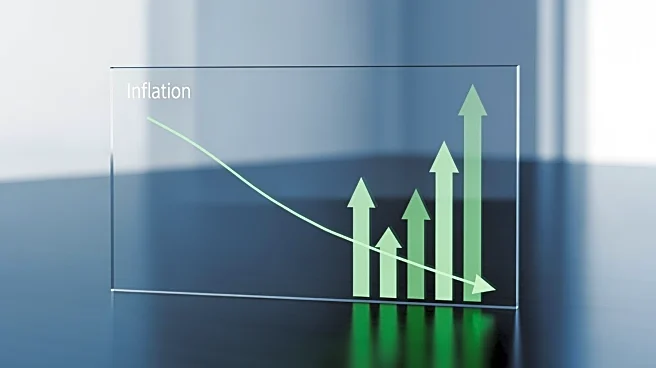
According to Bowman, the core Personal Consumption Expenditures (PCE) inflation likely stood at 2.9 percent in December. However, when adjusted for tariff effects, it is closer to 2 percent, aligning more closely with the Federal Reserve's target. This adjustment reflects a significant slowdown in core services inflation, attributed to easing labor market pressures and housing inflation. Bowman highlighted the fragility of the labor market, noting that hiring rates are low and layoffs could increase if firms reassess staffing needs due to weaker economic activity.
Why It's Important?
The speech by Vice Chair Bowman is significant as it provides insight into the Federal Reserve's assessment of inflation and its implications for monetary policy. The closer alignment of core PCE inflation with the Federal Reserve's 2 percent target suggests progress in controlling inflation, which is crucial for economic stability. However, the fragility in the labor market poses risks to employment, potentially impacting economic growth. The Federal Reserve's approach to monetary policy, including recent rate cuts, aims to balance these risks by supporting employment while ensuring inflation remains under control. The speech underscores the importance of monitoring economic indicators to guide future policy decisions.
What's Next?
Looking ahead, the Federal Reserve will continue to evaluate economic data to determine the appropriate path for monetary policy. With inflation pressures easing and labor market conditions showing signs of fragility, the Federal Reserve may consider further adjustments to the federal funds rate to support employment. The ongoing assessment of economic activity, labor market conditions, and inflation will inform future policy decisions. The Federal Reserve's focus will remain on achieving its dual mandate of maximum employment and price stability, with a proactive and forward-looking approach to policy adjustments.