




What's Happening?
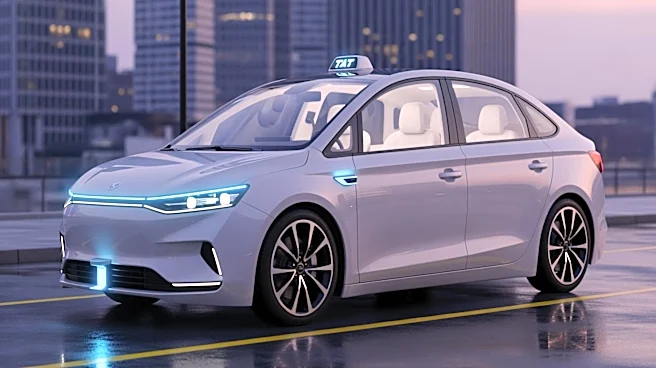
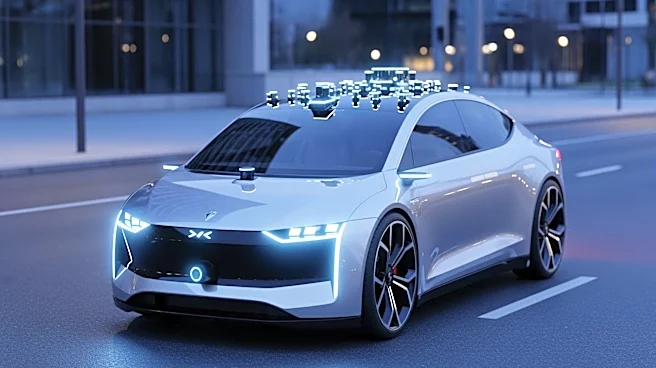
Uber has made a significant investment of $500 million in Nuro, a company specializing in autonomous vehicle technology, to develop a fleet of robotaxis in the United States. This move is part of Uber's strategy to collaborate with self-driving specialists
rather than developing the technology in-house, following a fatal crash in 2018 that led to the suspension of its self-driving program. Nuro, founded by former Google engineers, initially focused on autonomous delivery vehicles but has since pivoted to passenger robotaxis. The investment is structured in stages, with Uber initially participating in a $203 million funding round in 2025. The funds will support Nuro's development milestones, including testing vehicles without safety drivers and expanding services by 2027. Additionally, Uber has committed $500 million to Lucid and up to $1.25 billion to Rivian for similar ventures.
Why It's Important?
This investment marks a pivotal shift in Uber's approach to autonomous vehicles, emphasizing partnerships over internal development. By investing in Nuro, Uber aims to leverage advanced autonomous technology to enhance its ride-hailing services, potentially reducing operational costs and increasing efficiency. The collaboration with Nuro, Lucid, and Rivian positions Uber to be a leader in the emerging robotaxi market, which could transform urban transportation by offering safer, more reliable, and cost-effective travel options. The success of these ventures could significantly impact the U.S. transportation industry, influencing regulatory frameworks and public acceptance of autonomous vehicles.
What's Next?
Nuro is expected to meet specific development targets, such as testing vehicles without safety drivers and expanding its robotaxi services by 2027. Uber's investment strategy includes deploying up to 50,000 vehicles in collaboration with Rivian, with an initial rollout of 10,000 vehicles by 2028. These developments will likely attract attention from regulators, competitors, and the public, potentially influencing future policies and market dynamics in the autonomous vehicle sector.