
What's Happening?
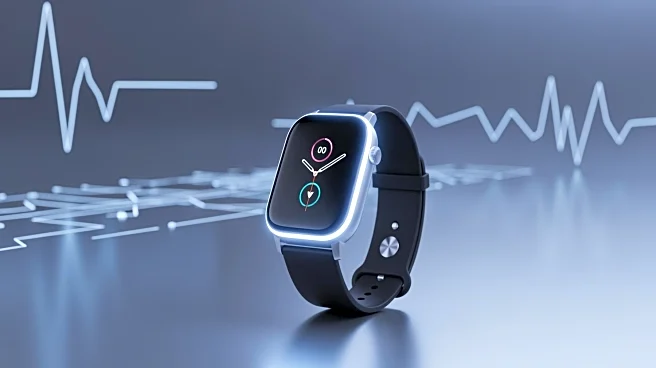
The Food and Drug Administration (FDA) has updated its guidance to allow more consumer wearables to be classified as general wellness devices, exempting them from the agency's costly review process. This
change is part of the Department of Health and Human Services' Make America Healthy Again agenda, aimed at facilitating the development of health technology for chronic disease management. The updated guidance clarifies the distinction between general wellness devices and clinical decision support software, which requires more stringent regulation. The FDA's decision follows a warning to WHOOP, a wearable company, for its unauthorized blood pressure feature. The new guidelines specify that non-invasive devices estimating blood pressure, oxygen saturation, and other metrics can be considered wellness devices if they pose low risk. This move is expected to clear confusion in the industry and encourage innovation in wearable technology.
Why It's Important?
The FDA's updated guidance is significant as it reduces regulatory barriers for wearable technology companies, potentially accelerating the introduction of innovative health monitoring devices to the market. This could lead to increased consumer access to health insights, promoting proactive health management and potentially reducing healthcare costs. The clarification of guidelines helps companies navigate the regulatory landscape, fostering innovation and investment in the health tech sector. The decision also reflects the FDA's adaptation to technological advancements, ensuring that regulations keep pace with industry developments.
What's Next?
Stakeholders in the health tech industry are expected to provide feedback on the new guidance through the FDA website. The updated guidelines are likely to lead to a surge in the development and market entry of new wearable devices. Companies may focus on creating products that align with the FDA's definition of general wellness devices to avoid the more rigorous medical device classification. The industry will likely see increased collaboration between tech companies and healthcare providers to leverage these devices for improved health outcomes.