
What's Happening?
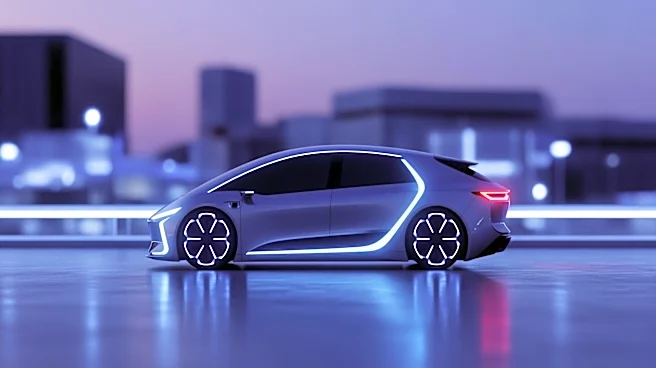
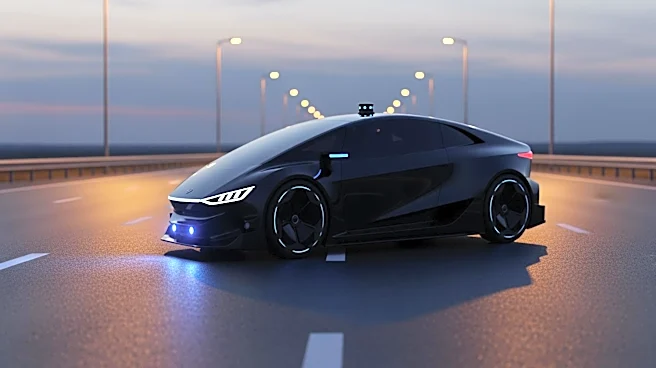
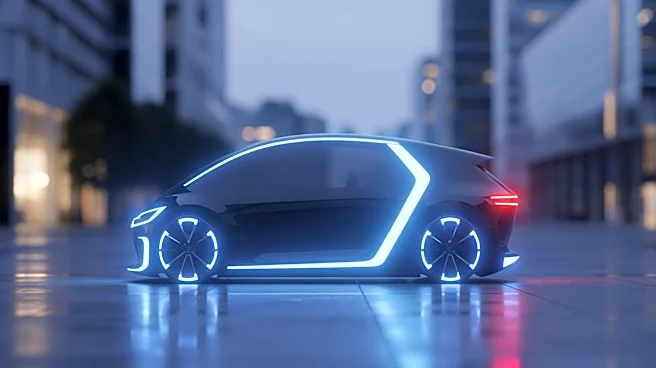
Waymo, a unit of Alphabet Inc., is set to deploy a new autonomous vehicle specifically designed for robotaxi services, named the Ojai. This self-driving vehicle will initially be available to select riders
in San Francisco, Los Angeles, and Phoenix. The Ojai is a four-seat minivan developed in collaboration with Zeekr, a subsidiary of the Chinese automaker Geely Automobile Holdings. This partnership, announced in 2021, marks a significant step in Waymo's strategy to enhance its ridehailing services using purpose-built autonomous vehicles. The Ojai features a spacious cabin, a flat floor, and a low step-in height, aiming to improve customer experience and operational economics. Waymo plans to offer initial rides free of charge to gather user feedback before expanding to more cities.
Why It's Important?
The introduction of the Ojai robotaxi represents a pivotal moment in the evolution of autonomous ridehailing services in the U.S. By collaborating with Zeekr, Waymo is leveraging international expertise to advance its technology, despite U.S. policies that restrict Chinese automotive technologies. This move could potentially reshape the landscape of urban transportation, offering a more efficient and accessible alternative to traditional taxis and ride-sharing services. The deployment of such vehicles could significantly reduce traffic congestion and emissions in urban areas, aligning with broader environmental goals. Additionally, the success of this initiative could influence regulatory frameworks and public acceptance of autonomous vehicles, paving the way for wider adoption across the country.
What's Next?
Waymo plans to expand the availability of the Ojai robotaxi to additional cities over time, contingent on the feedback received from initial users. The company is also working to increase production at its Mesa, Arizona factory, aiming to produce tens of thousands of vehicles annually. As Waymo continues to refine its autonomous driving technology, it will likely face scrutiny from regulators and competition from other companies like Tesla and Amazon's Zoox, which are also developing autonomous ridehailing services. The success of the Ojai could prompt further partnerships between Western and Chinese automakers, despite existing trade tensions.