



What's Happening?
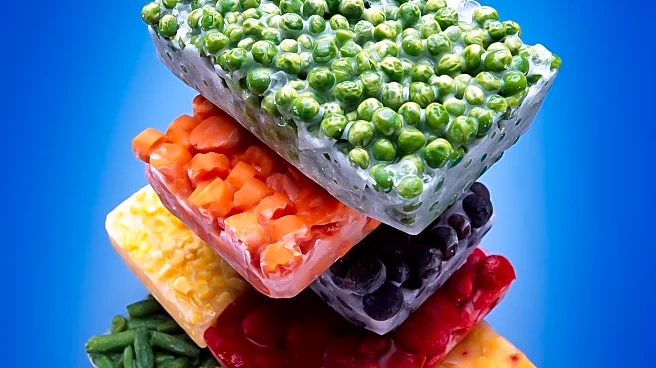
A recent analysis highlights that frozen foods can be as nutritious as fresh produce, challenging the common perception that frozen options are inferior. The key to their nutritional value lies in the process of peak-time freezing, which preserves essential vitamins and minerals. Foods such as berries, spinach, and salmon retain their nutritional benefits when frozen, often better than fresh produce that has been transported over long distances. The article also emphasizes the importance of choosing plain frozen options to avoid added sodium and sugars, making them a convenient and healthy choice for consumers.
Why It's Important?
This revelation about frozen foods is significant as it offers consumers a practical solution to maintaining a nutritious diet without
the constraints of fresh produce's shelf life. Frozen foods can help reduce food waste and provide a cost-effective alternative, especially for those with limited access to fresh produce. This can be particularly beneficial for busy individuals or families looking to prepare quick, healthy meals. The findings also encourage a shift in consumer perception, promoting a more balanced view of frozen foods in the context of a healthy diet.
Beyond the Headlines
The broader implications of this analysis suggest a potential shift in grocery shopping habits, with consumers possibly increasing their reliance on frozen foods. This could lead to changes in the food industry, with manufacturers focusing on improving the quality and variety of frozen options. Additionally, the environmental impact of reduced food waste and the potential for decreased transportation emissions from less frequent fresh produce shipments could contribute positively to sustainability efforts.