



What's Happening?
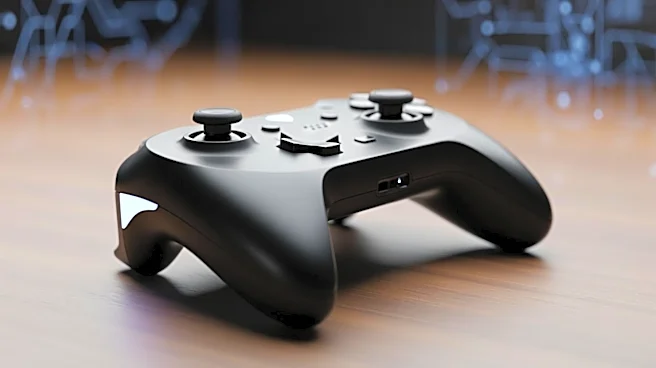
Valve has reportedly set the price for its new Steam Controller at $99, placing it in the mid-to-high range of the current controller market. This information was initially leaked through a YouTube review by TechyTalk, which was later removed but not
before being shared across other platforms. The new controller is priced higher than its predecessor, which was $50 at launch in 2015, equivalent to about $70 today when adjusted for inflation. The new model offers features such as track pads and Hall Effect analogue sticks, which are not commonly found in controllers from major console manufacturers. Despite lacking some high-end features like the 8,000 Hz polling rate seen in more expensive models, the Steam Controller aims to offer a competitive option in the mid-tier segment.
Why It's Important?
The introduction of a new Steam Controller at this price point reflects Valve's strategy to capture a segment of the gaming market that seeks premium features without the highest price tag. This move could influence the competitive landscape among controller manufacturers, particularly as it offers unique features not typically available in first-party console controllers. For consumers, this provides an additional option that balances cost and functionality, potentially appealing to PC gamers who value the unique input methods offered by Valve's design. The pricing strategy also suggests Valve's confidence in the controller's market appeal, despite the higher cost compared to its original model.
What's Next?
As the new Steam Controller enters the market, consumer reception and sales performance will be critical in determining its success. Valve may need to monitor feedback closely to address any potential issues or to enhance features in future iterations. The response from competitors could also shape the market, possibly prompting other manufacturers to innovate or adjust their pricing strategies. Additionally, the gaming community's reaction, particularly from those who value customizable and unique input devices, will be a key factor in the controller's adoption.