





What's Happening?
The U.S. dollar gained strength in early Asian trading on Monday, bolstered by robust U.S. jobs data and ongoing tensions in the U.S.-Iran ceasefire. The dollar's rise was supported by a recent U.S. jobs report indicating a significant increase in non-farm
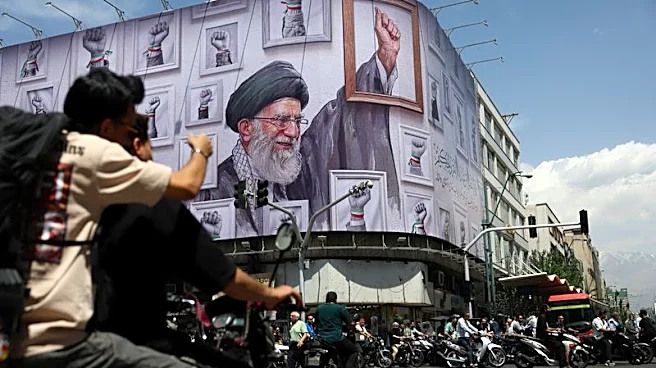
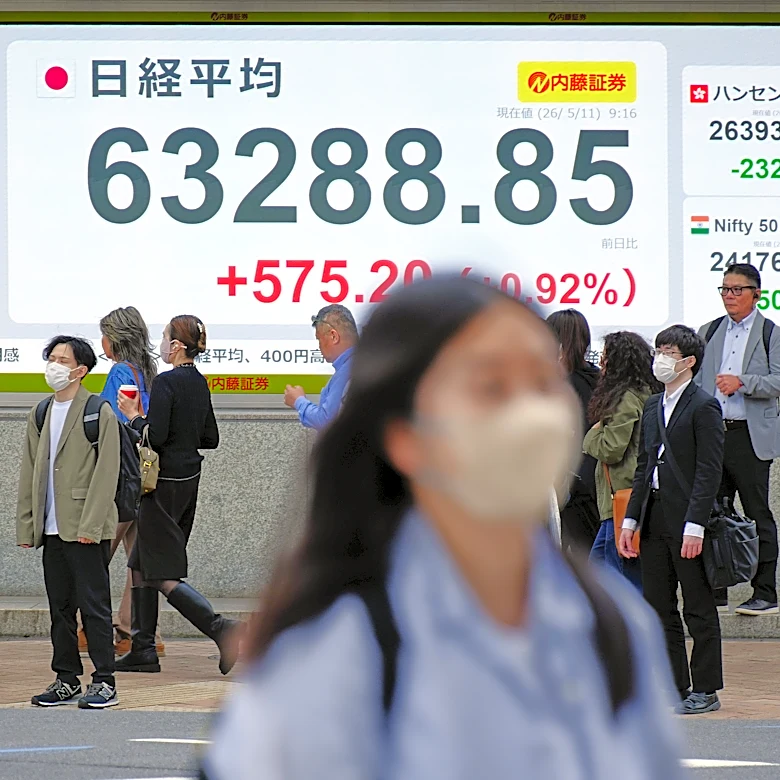
payrolls, which rose by 115,000 in April, nearly double the expected figure. This data has reinforced expectations that the Federal Reserve will maintain current interest rates. Additionally, geopolitical tensions have contributed to the dollar's appeal as a safe-haven currency. President Trump recently rejected Iran's response to a U.S. peace proposal, labeling it 'totally unacceptable,' which has dashed hopes for a swift resolution to the ongoing conflict. The dollar's strength was evident against major currencies, with the euro, yen, and British pound all experiencing declines against the greenback.
Why It's Important?
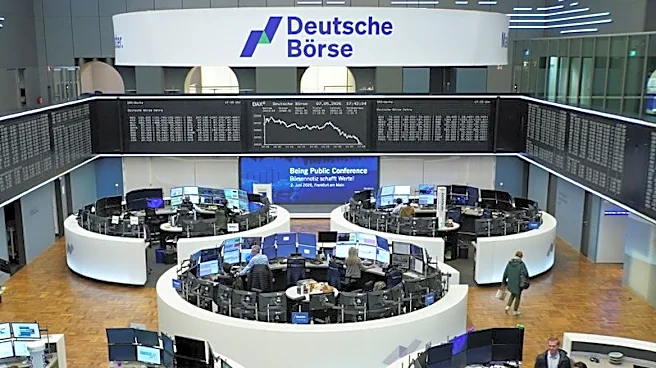
The strengthening of the U.S. dollar has significant implications for global markets and the U.S. economy. A stronger dollar can impact U.S. exports by making American goods more expensive for foreign buyers, potentially affecting trade balances. It also influences global commodity prices, as many are priced in dollars, affecting countries reliant on imports. Domestically, the robust jobs data suggests a resilient labor market, which could bolster consumer confidence and spending. However, the geopolitical tensions with Iran add uncertainty to international relations and economic stability, potentially affecting global oil prices and trade routes. The Federal Reserve's decision to maintain interest rates could further stabilize financial markets, but ongoing geopolitical issues may continue to influence currency fluctuations.
What's Next?
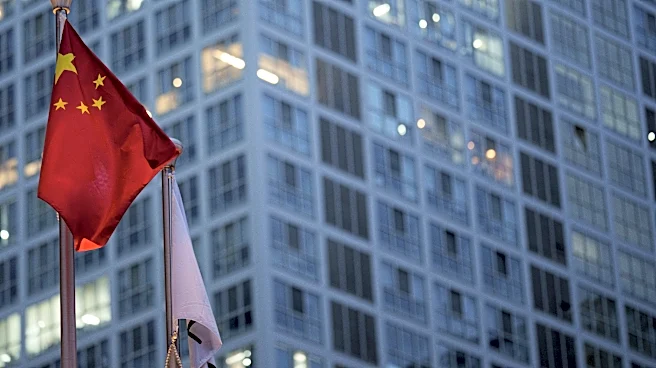
Looking ahead, the upcoming meeting between President Trump and Chinese President Xi Jinping is expected to address critical issues, including Iran, Taiwan, and artificial intelligence. The outcomes of this meeting could have significant geopolitical and economic ramifications. Additionally, market participants will closely monitor any developments in the U.S.-Iran situation, as further escalations could impact global oil markets and economic stability. The Federal Reserve's future policy decisions will also be scrutinized, particularly in light of the strong jobs data, as any changes could influence currency markets and economic growth.