






What's Happening?
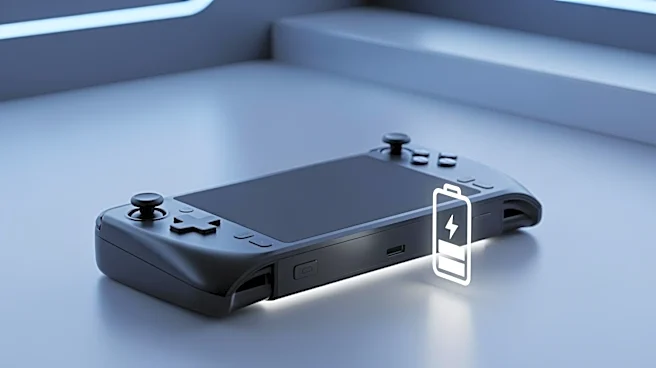
Nintendo has announced plans to release a new version of its Switch console, the Switch 2, featuring a replaceable battery. This move is in response to upcoming European Union legislation aimed at reducing e-waste by making batteries in electronic devices
more accessible and easier to replace. The legislation mandates that batteries should not be secured with adhesives and should be removable using standard tools, without the need for heat guns or solvents. Nintendo's new 'OSM' models, which include the Switch 2 and potentially its Joy Con controllers, will comply with these requirements. The company is also obligated to provide replacement batteries for up to five years after the product is discontinued. This change could open opportunities for third-party manufacturers to produce higher capacity replacement batteries, potentially extending the console's mobile playtime.
Why It's Important?
The introduction of replaceable batteries in the Nintendo Switch 2 is significant as it aligns with global efforts to reduce electronic waste and promote sustainability. By making batteries more accessible, the legislation encourages longer product lifespans and reduces the environmental impact of electronic waste. This move could influence other tech companies to adopt similar practices, potentially leading to industry-wide changes in product design and manufacturing. For consumers, the ability to replace batteries easily could enhance the longevity and usability of their devices, offering a more sustainable and cost-effective option. Additionally, the potential for third-party battery manufacturers to enter the market could lead to innovations in battery technology and increased competition, benefiting consumers with more choices and potentially better performance.
What's Next?
The EU legislation is set to take effect on February 18, 2027, and Nintendo is preparing to meet these requirements with its new product models. As the deadline approaches, other electronics manufacturers may also announce similar changes to comply with the new regulations. The market could see an influx of third-party battery options, prompting consumers to evaluate the reliability and capacity of these alternatives. Industry observers will be watching to see if this trend towards replaceable batteries will extend beyond the EU and influence global markets, including the U.S., where consumer demand for sustainable products is growing.