







What's Happening?
The U.S. government has introduced a new online system to refund up to $166 billion in tariffs that were deemed illegal by the Supreme Court. This system, known as CAPE, is designed to streamline the refund process for importers who paid these tariffs.
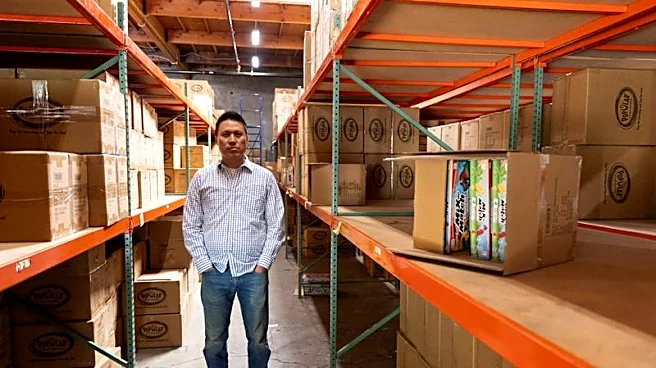
The launch has prompted a rush among importers, including companies like Basic Fun and Oshkosh, to file claims. The system aims to consolidate refunds into a single electronic payment, including interest where applicable, rather than processing them on an entry-by-entry basis. However, there are concerns about potential technical issues due to high demand, as over 56,000 importers have already completed the necessary steps to receive refunds. The tariffs in question were part of President Trump's efforts to restructure global trade relations, which the Supreme Court struck down earlier this year.
Why It's Important?
The launch of the tariff refund portal is significant as it addresses the financial impact on U.S. businesses that paid these tariffs, which were initially imposed under emergency powers. The refund process could inject substantial funds back into these companies, potentially affecting their financial health and operational strategies. However, the system's focus on refunding importers rather than end consumers who faced higher prices due to these tariffs has sparked political debate. The outcome of this refund process could influence future trade policy and the administration's approach to international trade relations. Additionally, the efficiency and reliability of the new system will be closely watched, as it could set a precedent for handling similar situations in the future.
What's Next?
As the portal opens, companies are preparing to submit their claims, but there is apprehension about the system's capacity to handle the volume of requests. Customs and Border Protection has until early May to appeal the court's order to create the portal, which could affect the refund process. The political implications of who receives the refunds—importers versus consumers—may also lead to further discussions or policy adjustments. Businesses are advised to monitor the situation closely and prepare for potential delays or changes in the refund process.