







What's Happening?
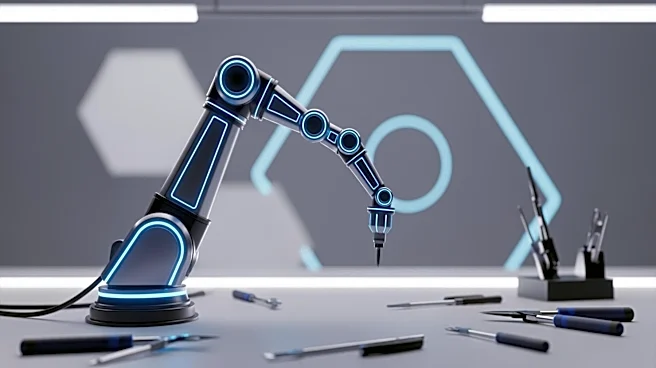
The evolution of artificial intelligence is moving towards physical AI, where systems interact directly with the real world. This shift is leading to the development of task-specific robots that are designed to perform specific tasks efficiently rather
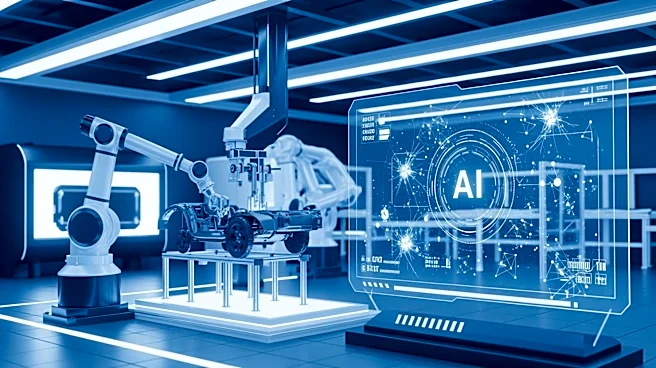
than attempting to replicate the full range of human capabilities. These robots operate using real-time sense-think-act loops, enabled by edge computing, which allows them to function autonomously without relying on cloud connectivity. This approach contrasts with the vision of general-purpose humanoid robots, which remain limited due to the complexity and cost of replicating human dexterity and flexibility. Task-specific robots are being deployed across various industries, including agriculture, logistics, and consumer markets, where they perform defined tasks with high reliability and efficiency.
Why It's Important?
The focus on task-specific robots represents a significant shift in the robotics industry, emphasizing practicality and cost-effectiveness over the pursuit of humanoid capabilities. This approach allows for the deployment of robots in high-volume markets, such as homes, hospitals, and factories, where they can provide tangible benefits in terms of efficiency and scalability. By optimizing robots for specific tasks, developers can enhance reliability and safety while reducing costs, making advanced robotics more accessible to a broader range of industries. The use of edge computing in these systems ensures real-time performance and decision-making, which is crucial for applications that require immediate responses and high levels of autonomy.
Beyond the Headlines
The move towards task-specific robotics highlights a broader trend in AI development, where the focus is on embedding intelligence directly into physical systems. This approach not only improves the functionality of robots but also enhances their ability to adapt to changing environments and unexpected events. As AI systems become more integrated into everyday tasks, there is potential for significant advancements in how industries operate, leading to increased productivity and innovation. The emphasis on edge computing also underscores the importance of developing efficient hardware solutions that can support the growing demands of AI applications in real-world settings.