






What's Happening?
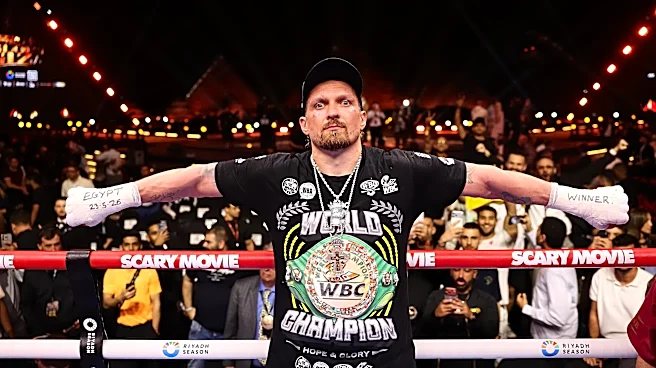
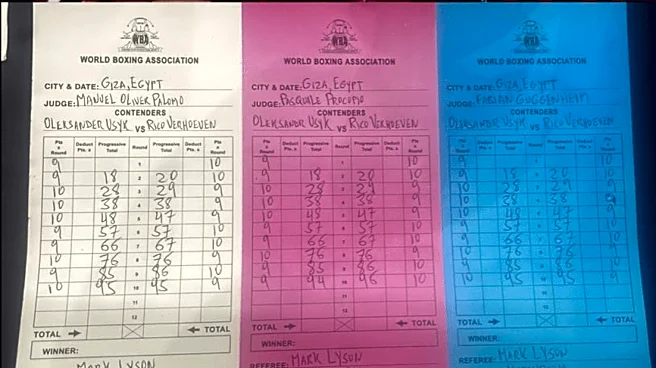
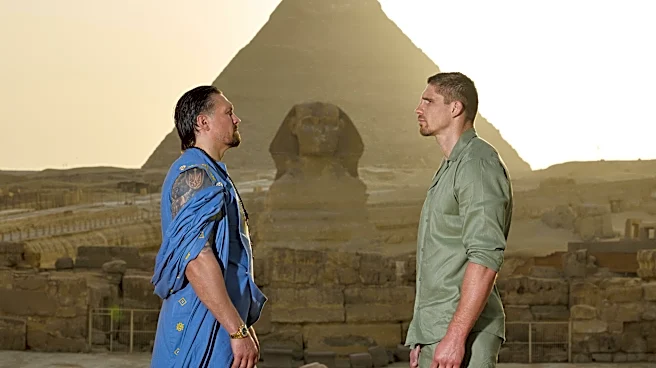
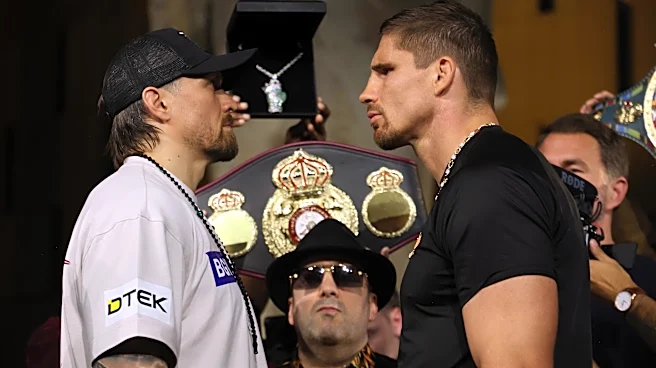
Oleksandr Usyk, the renowned Ukrainian heavyweight boxer, recently faced a challenging bout against Rico Verhoeven at the Pyramids of Giza. Despite maintaining his undefeated record and unified championship, Usyk's performance raised questions about his future
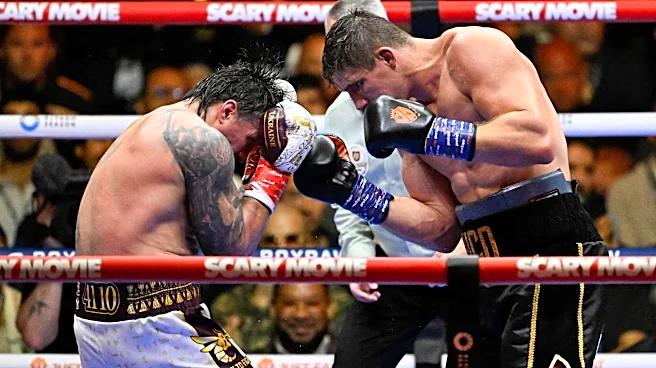
in the sport. At 39, Usyk appeared to struggle against Verhoeven, a relative newcomer to professional boxing. The fight highlighted Usyk's aging, as he seemed unable to execute his usual strategies and techniques effectively. This match has sparked discussions about whether Usyk should consider retiring while still at the top of his game, avoiding the risk of tarnishing his legacy with potential future losses.
Why It's Important?
Usyk's situation underscores the harsh realities of boxing, where aging athletes face the dilemma of when to retire. His decision could impact the heavyweight division, as his potential retirement would open opportunities for other fighters to claim the top spot. Additionally, Usyk's choice could influence how future boxers approach their careers, balancing the desire for continued success with the risk of overstaying in the sport. The outcome of Usyk's career decisions will be closely watched by fans, promoters, and fellow athletes, as it may set a precedent for handling the twilight years of a boxing career.
What's Next?
If Usyk decides to continue fighting, he may face a rematch with Verhoeven or other contenders like Agit Kabayel. Each fight carries the risk of defeat, which could alter his legacy. Alternatively, if Usyk chooses retirement, he would join a select group of boxers who have exited the sport at their peak. His decision will likely prompt reactions from the boxing community, including promoters and fans, who have followed his illustrious career. The next steps for Usyk will be pivotal in shaping his legacy and the future landscape of heavyweight boxing.
Beyond the Headlines
Usyk's potential retirement raises broader questions about the physical and mental toll of boxing on athletes. The sport's unforgiving nature often leads to prolonged careers that can result in long-term health issues. Usyk's situation highlights the need for better support systems for athletes transitioning out of competitive sports. Additionally, his decision could influence cultural perceptions of success and longevity in sports, encouraging a shift towards valuing health and well-being over prolonged competition.