








What's Happening?
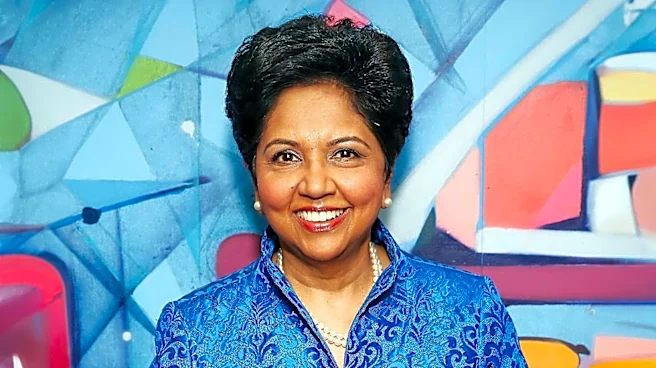
Three Indian Americans have been named to TIME magazine's 2026 TIME100 Philanthropy list, which honors influential figures in global giving and social impact. Rajiv J. Shah, president of the Rockefeller Foundation, Deepak Bhargava, president of Freedom
Together, and Anna Verghese, executive director of The Audacious Project, are recognized for their contributions to philanthropy. Shah is noted for his work in global health and climate resilience, Bhargava for his efforts in racial equity and democracy-building, and Verghese for mobilizing significant funding for nonprofit ventures. Their inclusion highlights the growing influence of Indian Americans in the philanthropic sector.
Why It's Important?
The recognition of these individuals underscores the significant role of philanthropy in addressing global challenges such as health, climate change, and social justice. Their work exemplifies how strategic philanthropy can drive large-scale social change and influence public policy. The inclusion of Indian Americans in the list reflects the increasing diversity and impact of the philanthropic community in the United States. It also highlights the potential for cross-cultural collaboration in tackling complex global issues, fostering a more inclusive and equitable approach to philanthropy.
What's Next?
The recognition may inspire further philanthropic efforts and collaborations among diverse communities, encouraging more individuals to engage in charitable initiatives. As these leaders continue their work, they may influence the direction of philanthropic strategies, focusing on sustainable and impactful solutions. The acknowledgment could also lead to increased visibility and support for their respective organizations, enabling them to expand their reach and effectiveness in addressing critical issues.
Beyond the Headlines
The growing prominence of Indian Americans in philanthropy highlights broader cultural and demographic shifts in the United States. It reflects the increasing integration and influence of immigrant communities in shaping national and global agendas. This development also raises questions about the future of philanthropy, particularly in terms of inclusivity, representation, and the role of diverse voices in driving social change.