




What's Happening?
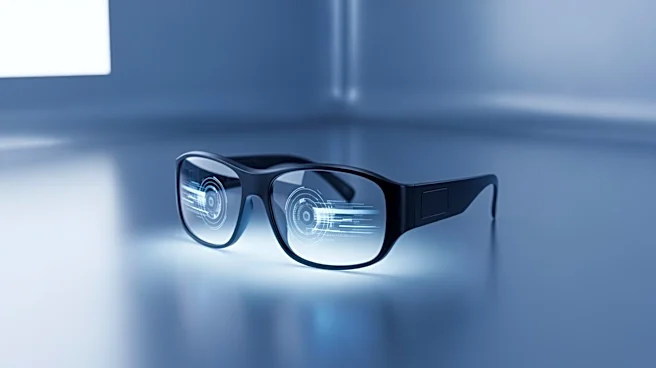
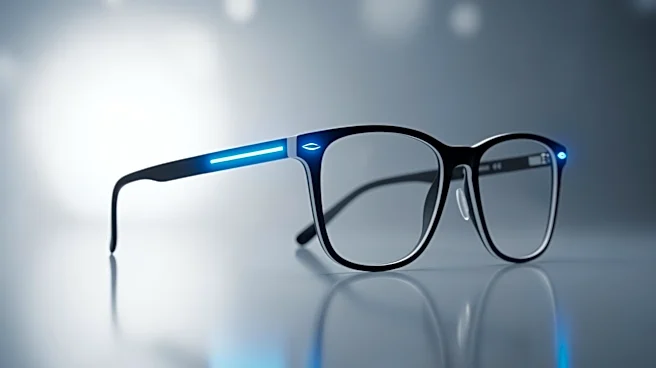
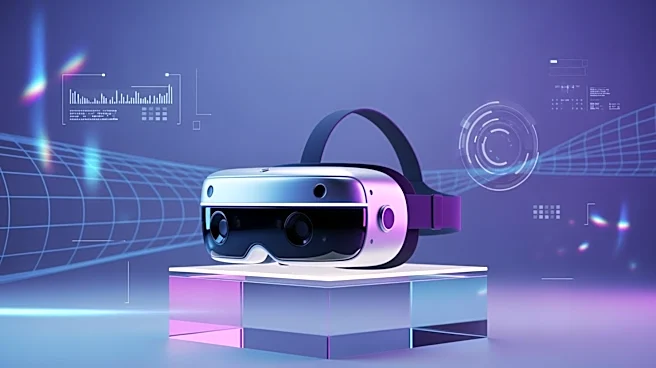
The year 2026 is witnessing a surge in the development and interest in smart glasses, with several models poised to redefine the augmented reality (AR) wearables market. Notable entries include Ray-Ban Meta Gen 2, Viture Beast, and Even Realities G2,
each offering unique features such as hands-free content creation, portable virtual monitors, and privacy-focused AI assistance. The market is also anticipating a potential entry from Apple, which could significantly influence fashion and privacy debates. The popularity of these devices is driven by their ability to integrate seamlessly into daily life, offering functionalities that range from social media content creation to workplace productivity enhancements.
Why It's Important?
The growing interest in smart glasses signifies a potential shift in how consumers interact with technology, moving towards more integrated and wearable solutions. This trend could lead to increased adoption of AR technologies, impacting industries such as entertainment, communication, and workplace productivity. Companies like Meta and Snap are investing heavily in this space, indicating a competitive market landscape. The introduction of smart glasses by major players like Apple could further accelerate consumer acceptance and drive innovation in design and functionality, potentially making AR wearables a mainstream technology.
What's Next?
As the market for smart glasses expands, companies are likely to focus on enhancing user experience through improved design, functionality, and affordability. The anticipated entry of Apple into the market could set new standards for style and integration, influencing consumer preferences and competitive strategies. Additionally, as privacy concerns grow, manufacturers may prioritize features that protect user data while offering advanced functionalities. The evolution of smart glasses will likely continue to blur the lines between fashion and technology, creating new opportunities for innovation and market growth.