



What's Happening?
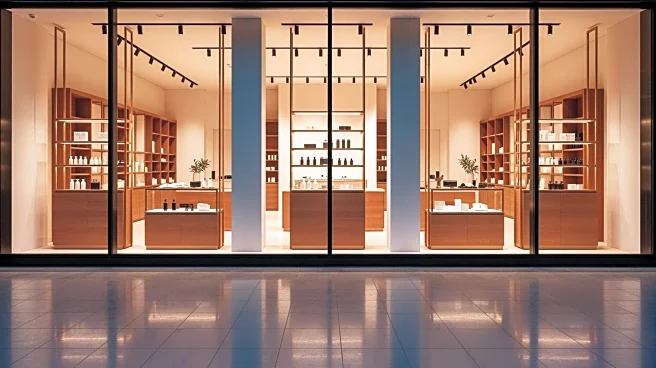
Direct-to-consumer (DTC) brands, traditionally known for their online presence, are increasingly turning to physical retail spaces to enhance customer engagement and drive sales. Brands like Mejuri, Beyond Yoga, and Coterie have found that physical stores offer unique opportunities to connect with consumers, particularly Gen Z, who value the ability to see and touch products before purchasing. Mejuri, a jewelry brand, discovered that 60% of its in-store customers are new, prompting the brand to expand its physical footprint to 55 locations. Beyond Yoga, after being acquired by Levi's, has doubled its store count to 14, responding to consumer demand for direct brand interaction. Coterie, a diaper brand, has successfully leveraged wholesale partnerships
with retailers like Whole Foods to boost its market presence, accounting for significant category growth in these stores.
Why It's Important?
The shift towards physical retail by DTC brands highlights a significant trend in consumer behavior, where in-person shopping experiences are valued for their ability to foster brand loyalty and increase customer lifetime value. This move is particularly important as it challenges the notion that e-commerce is the sole future of retail. By establishing physical stores, these brands can offer personalized experiences that online platforms cannot, potentially leading to higher sales and stronger customer relationships. This trend also suggests a hybrid retail model where online and offline strategies are integrated to maximize reach and engagement, which could influence broader retail strategies across the industry.
What's Next?
As DTC brands continue to expand their physical presence, they may explore innovative store concepts that blend digital and in-person experiences. This could include interactive displays, personalized shopping experiences, and seamless integration with online platforms. Retailers might also focus on data-driven insights to optimize store layouts and product offerings. The success of these strategies could prompt other online-first brands to consider similar expansions, potentially reshaping the retail landscape. Additionally, partnerships with established retailers could become more common as brands seek to leverage existing distribution networks to reach new audiences.