


What's Happening?
Rio Tinto, in collaboration with the Queensland Government and the Commonwealth Government, has announced a significant partnership to secure the long-term future of the Boyne aluminium smelter located in Gladstone, Queensland. This agreement involves
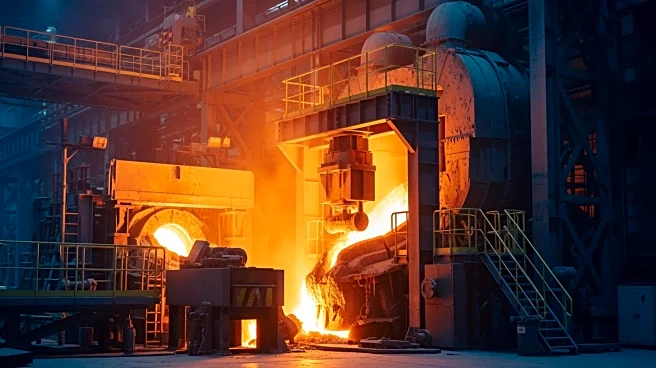
a $2 billion investment over the next decade, ensuring the smelter remains competitive on an international scale beyond its current contract. The initiative is part of the Australian Government's 'Future Made in Australia' strategy, which aims to bolster domestic manufacturing capabilities. The investment builds on previous power purchase agreements by Rio Tinto, which have already underwritten $7.5 billion in new renewable energy and storage projects in Queensland. Boyne Smelters Limited, where Rio Tinto holds a majority stake, will continue aluminium production through at least 2040, supported by this new agreement.
Why It's Important?
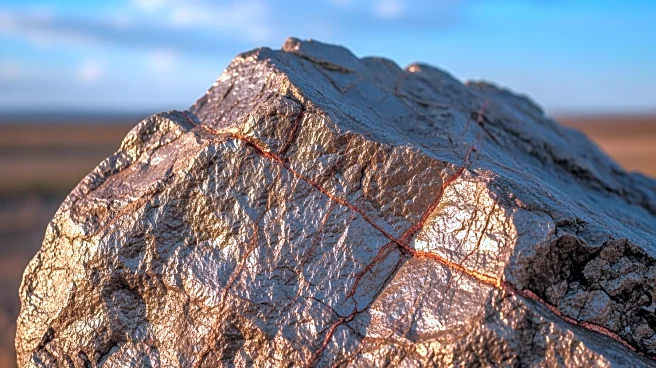
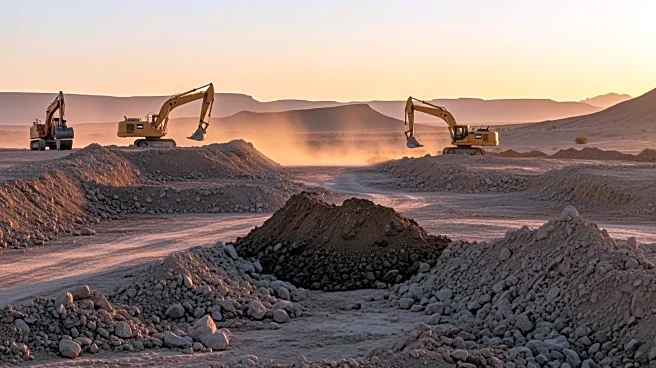
This investment is crucial for maintaining the competitiveness of Australia's aluminium sector, particularly as global demand for aluminium grows in tandem with the energy transition. By securing the future of the Boyne Smelter, the agreement supports the decarbonization of Queensland's energy system, positioning the smelter to be among the first globally to be powered by solar and wind energy. This move not only preserves jobs and economic activity in Gladstone but also strengthens one of the few fully integrated aluminium value chains worldwide, from bauxite mining to alumina refining and aluminium smelting, all within Queensland. The initiative reflects a broader trend towards sustainable industrial practices and highlights the importance of renewable energy in heavy manufacturing.
What's Next?
The partnership is expected to lead to further developments in renewable energy projects in Queensland, as Rio Tinto has already contracted over 2.8 gigawatts of new renewable energy and more than 600 megawatts of storage capacity from five projects since January 2024. This continued investment in renewable energy infrastructure will likely attract additional industrial activities to the region, potentially leading to more job creation and economic growth. Stakeholders, including local communities and environmental groups, will be closely monitoring the implementation of these projects to ensure they meet sustainability goals and provide long-term benefits.
Beyond the Headlines
The agreement underscores the shifting dynamics in the global aluminium industry, where sustainability and energy efficiency are becoming key competitive factors. As fossil fuels become more expensive, the transition to renewable energy sources is not only environmentally beneficial but also economically strategic. This development may set a precedent for other regions and industries to follow, highlighting the potential for renewable energy to support heavy manufacturing sectors. Additionally, the partnership reflects a growing collaboration between government and industry to achieve national economic and environmental objectives.