
What's Happening?
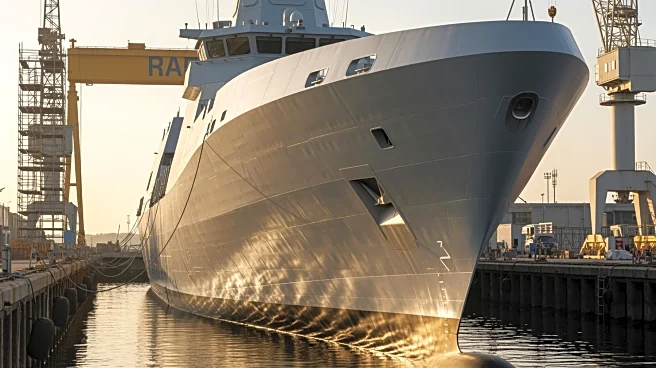
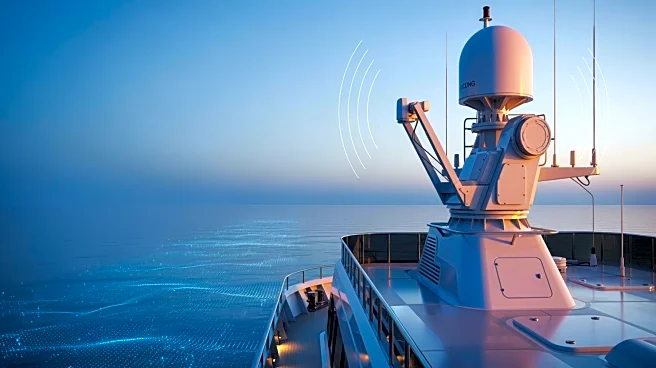
Daughter Craft No. 3, commissioned by Purus, is nearing completion as it undergoes final outfitting before sea trials. The craft is equipped with Volvo Penta IPS drives, and its electronics and interior systems are being finalized. Diverse Marine, in collaboration
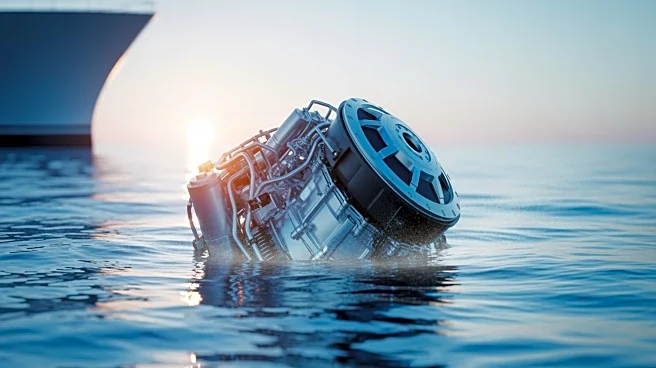
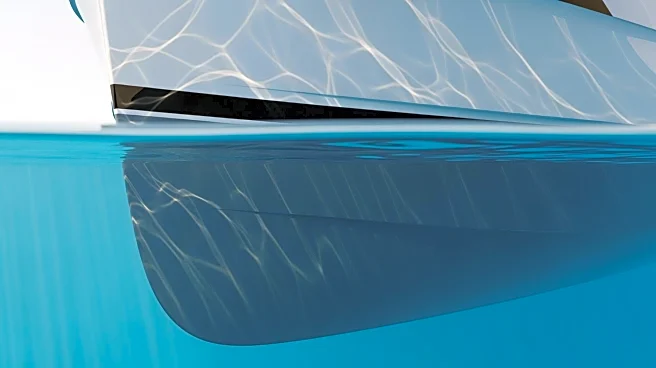
with Chartwell Marine, has developed this craft with inboard propulsion systems that include IMO Tier 3 exhaust after-treatment to minimize emissions. The vessel is designed to operate both as a nearshore Crew Transfer Vessel (CTV) and an offshore daughter craft from a Service Operation Vessel (SOV) or Construction Service Operation Vessel (CSOV) mothership. The design has been rigorously tested using computational fluid dynamics (CFD) and model tank testing to ensure efficiency and passenger comfort, featuring motion softening elements and a high bow for improved access.
Why It's Important?
The completion of Daughter Craft No. 3 represents a significant advancement in maritime technology, particularly in reducing emissions and enhancing passenger comfort. The use of IMO Tier 3 exhaust after-treatment aligns with global efforts to reduce maritime pollution, contributing to environmental sustainability. The craft's dual functionality as both a nearshore CTV and an offshore daughter craft expands operational capabilities, potentially increasing efficiency in maritime operations. This development could influence future vessel designs, encouraging the adoption of similar technologies across the industry, thereby impacting environmental policies and operational standards.
What's Next?
Following the final outfitting, Daughter Craft No. 3 will undergo sea trials to test its performance and capabilities in real-world conditions. These trials will assess the craft's efficiency, comfort, and operational effectiveness, providing valuable data for further improvements. Stakeholders, including maritime operators and environmental agencies, will likely monitor these trials closely to evaluate the craft's impact on emissions and operational efficiency. Successful trials could lead to increased adoption of similar technologies in new vessel designs, influencing industry standards and practices.