





What's Happening?
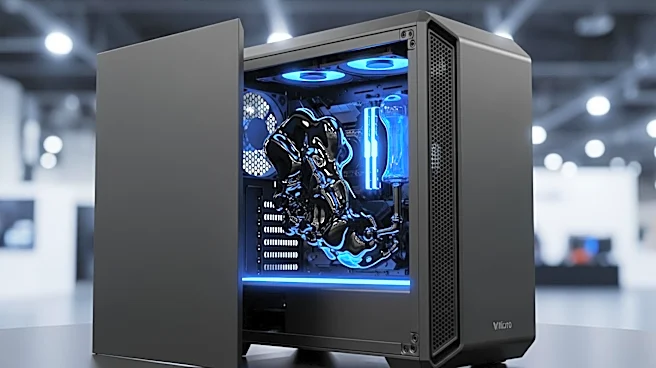
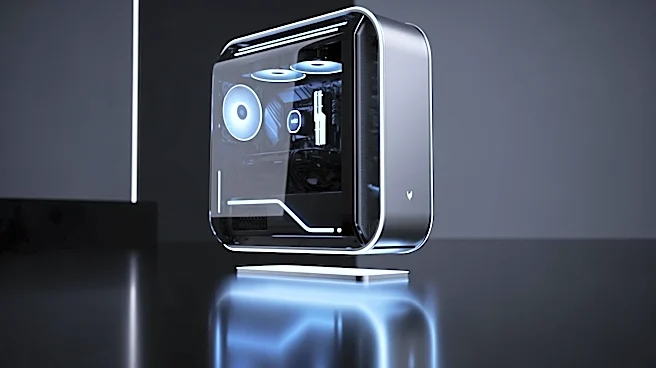
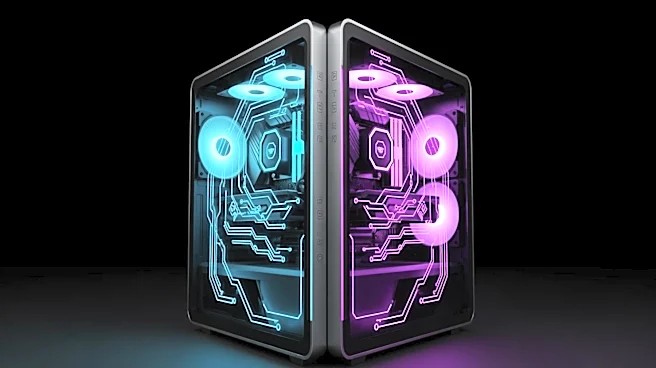
Thermaltake has introduced the Capo X, a dual system PC case, at the Computex event. This innovative case is designed to house two independent Micro ATX systems within a single chassis, making it particularly appealing for AI applications and streamers.
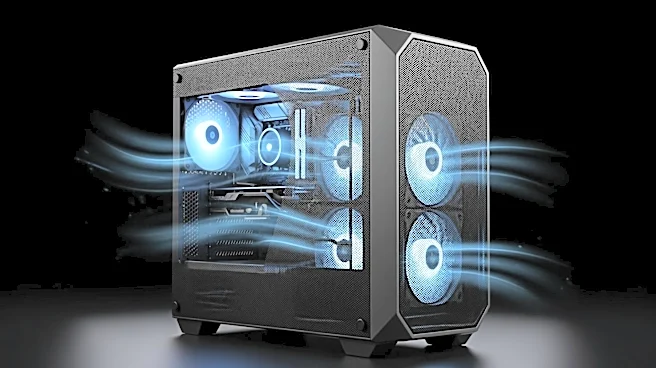
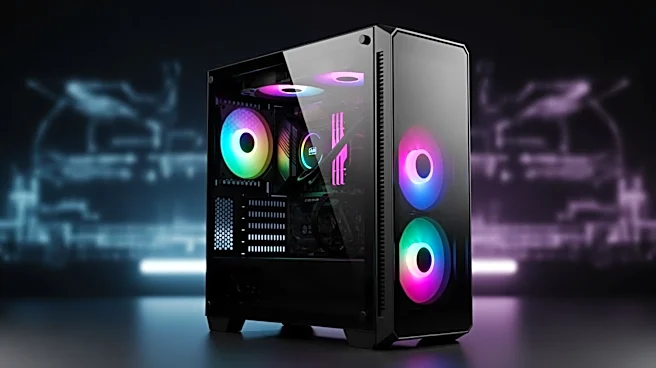
The Capo X features a compact footprint similar to a micro tower but with added height to accommodate the dual systems. It includes a seamless, curved glass panel for visibility and can support two 360mm radiators and up to 13 120mm fans, addressing the cooling needs of two systems operating in close proximity. The case also offers double the I/O ports, with sets located at both the front and top of the tower. Thermaltake plans to release the Capo X in the U.S. later this month, with a price point of approximately $190.
Why It's Important?
The introduction of the Capo X by Thermaltake highlights the growing demand for versatile and space-efficient computing solutions, particularly in the context of AI and streaming. As AI applications become more prevalent, the need for powerful and adaptable hardware configurations increases. The Capo X caters to this demand by allowing users to run separate systems for gaming and streaming, optimizing performance without resource conflicts. This development is significant for content creators and tech enthusiasts who require robust setups in limited spaces. Additionally, the dual system capability could appeal to gamers who share setups, offering a practical solution for collaborative environments.
What's Next?
Thermaltake's Capo X is set to launch in the U.S. market soon, and its reception could influence future designs in the PC case industry. As AI and streaming continue to grow, other manufacturers may follow suit, developing similar dual system cases to meet consumer needs. The success of the Capo X could also lead to further innovations in cooling solutions and space management within PC cases. Consumers and tech reviewers will likely evaluate the Capo X's performance and practicality, potentially impacting its adoption and prompting further advancements in PC hardware design.