





What's Happening?
Saint Laurent's CEO, Cédric Charbit, has highlighted the need for luxury brands to better engage with aspirational shoppers, as the sector faces a downturn in global luxury spending. Speaking at the FT’s Business of Luxury summit in Italy, Charbit admitted
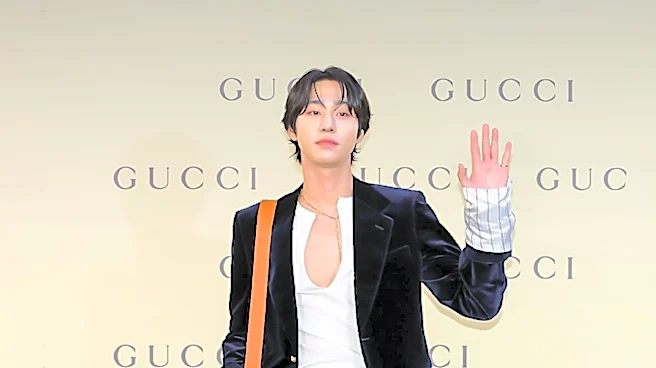
that Saint Laurent has not sufficiently retained certain customer groups, focusing primarily on its wealthiest clientele. This acknowledgment comes as the luxury market grapples with challenges such as inflation, reduced consumer confidence, and a decline in spending by aspirational shoppers, who were pivotal in the post-pandemic luxury boom. Charbit emphasized the importance of expanding into underdeveloped categories like menswear while maintaining the brand's exclusivity. The comments reflect broader pressures on Kering, Saint Laurent's parent company, which is dealing with a slowdown at its flagship brand, Gucci.
Why It's Important?
The luxury sector's current challenges underscore the need for brands to adapt to changing consumer behaviors and economic conditions. As inflation and economic uncertainty impact consumer spending, luxury brands must find ways to appeal to a broader audience without diluting their brand value. Saint Laurent's strategy to expand product categories and strengthen client relationships could serve as a model for other luxury brands facing similar issues. The ability to attract and retain aspirational shoppers is crucial for sustaining growth in a market that has seen extraordinary but unsustainable expansion. Kering's broader strategy, including leadership changes, reflects an industry-wide need for innovation and adaptability to maintain relevance and profitability.
What's Next?
Saint Laurent plans to focus on expanding its product offerings and strengthening relationships with aspirational shoppers. This strategic shift may involve targeted marketing efforts and product diversification to appeal to younger consumers. Kering's recent leadership changes, including the appointment of former Renault CEO Luca de Meo, suggest a push for more decisive management to navigate the current market challenges. The luxury sector will likely continue to evolve, with brands needing to balance exclusivity with broader appeal. The industry's response to these challenges will be critical in determining its future trajectory and ability to recover from the current slowdown.