
What's Happening?
Australian singer Keli Holiday, the solo project of Adam Hyde from Peking Duk, was denied re-entry into the United States during his North American tour. This incident forced him to cancel a scheduled
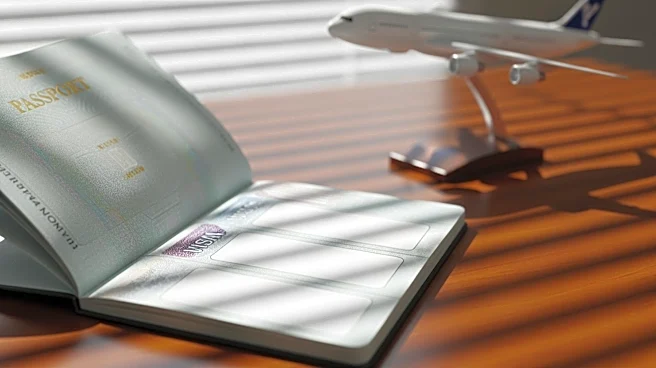
performance in New York City and return to Australia. The denial occurred at the U.S.-Canada border after Holiday's shows in Toronto. Despite having the necessary visa documentation, Holiday was detained and not allowed to proceed to his next performance. The artist expressed his confusion and disappointment over the situation on social media, stating that he is still seeking clarity on the matter. Holiday had planned a series of North American dates, with the New York show intended to conclude the tour. Following the incident, he returned to Australia to prepare for upcoming performances in New South Wales and Victoria.
Why It's Important?
This incident highlights ongoing concerns about U.S. border processing and visa scrutiny, particularly affecting international artists and travelers. The situation underscores the challenges faced by foreign performers in navigating U.S. entry requirements, which can impact their ability to tour and connect with audiences. The denial of entry for Keli Holiday may prompt discussions about the Electronic System for Travel Authorization (ESTA) program and its implications for international artists. Such incidents can have financial and reputational consequences for artists, as canceled shows disrupt tour schedules and affect fan engagement. The broader impact on the music industry includes potential hesitancy among international artists to tour in the U.S. due to perceived entry barriers.
What's Next?
Keli Holiday's team is likely to seek further clarification on the visa denial to prevent future occurrences. Fans have expressed support and hope for a rescheduled New York performance once the visa issue is resolved. The incident may also lead to increased dialogue between music industry stakeholders and government agencies to address and streamline entry processes for international artists. Additionally, there may be advocacy for policy adjustments to ensure that artists with proper documentation can perform without unexpected disruptions.