
What's Happening?
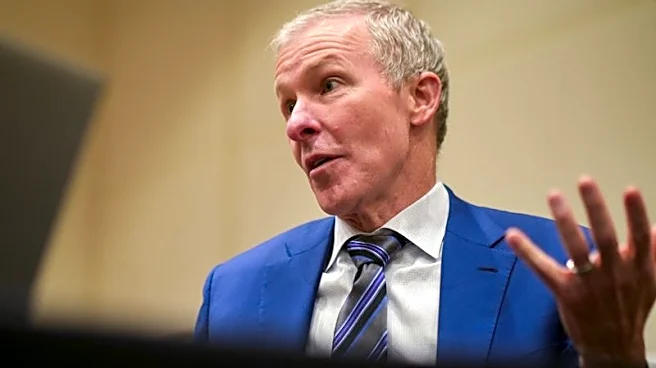
In his final address at the IATA AGM in Rio de Janeiro, outgoing IATA director general Willie Walsh criticized engine manufacturers for causing financial strain on airlines due to supply-chain delays and
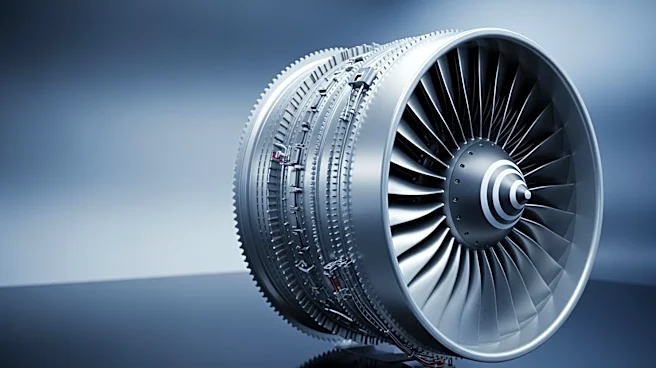
engine issues. Walsh accused the OEMs of 'gouging' airlines while enjoying significant profits. He urged these manufacturers to focus on producing reliable engines, highlighting that the current situation is unacceptable for customers. United Airlines CEO Scott Kirby echoed these concerns, noting that engine supply issues are a major constraint on industry growth, with no improvement expected for at least five years. General Electric and Pratt & Whitney are working to address these issues, but Rolls-Royce remains a concern.
Why It's Important?
The criticism from IATA's director general underscores the significant impact that engine supply issues have on the aviation industry. These problems increase operational costs for airlines, affecting their profitability and growth potential. The situation highlights the need for engine manufacturers to improve their supply chains and product reliability to support the industry's recovery and growth. The ongoing issues could lead to higher costs for consumers and potentially slow down the adoption of new, more efficient aircraft, impacting the industry's environmental goals.
What's Next?
As Walsh steps down from his role at IATA, the organization is expected to appoint a new director general soon. The incoming leadership will likely continue to address these supply chain challenges and advocate for improvements. Airlines and engine manufacturers may need to collaborate more closely to resolve these issues and ensure a stable supply of reliable engines. The industry will be watching for any strategic changes from major engine manufacturers like Rolls-Royce, General Electric, and Pratt & Whitney.