


What's Happening?
The U.S. Trade Representative, Jamieson Greer, alongside Treasury Secretary Scott Bessent, announced that the United States is conducting investigations into its trade partners regarding excess manufacturing capacity. This move could lead to the imposition
of new tariffs, particularly affecting the automotive industry. The investigation is part of a broader strategy to address trade imbalances and protect domestic industries from unfair competition. The focus is on countries that are perceived to be producing more than their domestic demand, potentially dumping excess products into the U.S. market at lower prices. This action follows previous tariff measures implemented under President Trump's administration, which targeted various sectors including steel and aluminum.
Why It's Important?
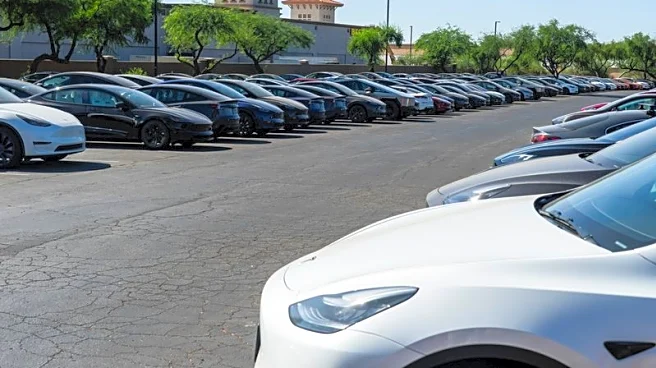
The potential imposition of new tariffs could have significant implications for the U.S. automotive industry. Tariffs could increase the cost of imported vehicles and parts, leading to higher prices for consumers and potentially reducing the competitiveness of foreign automakers in the U.S. market. Domestic manufacturers might benefit from reduced competition, but they could also face higher costs for imported components. The move could strain trade relations with key partners and provoke retaliatory measures, impacting other sectors of the economy. The automotive industry, already dealing with challenges such as supply chain disruptions and the transition to electric vehicles, could face additional pressures from these trade policies.
What's Next?
The outcome of the investigations will determine whether new tariffs are implemented. If tariffs are imposed, affected countries may seek negotiations or challenge the measures through international trade bodies. Automakers and industry groups are likely to lobby against tariffs, citing potential negative impacts on the industry and consumers. The U.S. government will need to balance protecting domestic industries with maintaining healthy trade relationships. The situation will require careful monitoring as it develops, with potential implications for global trade dynamics and the U.S. economy.