
What's Happening?
The manufacturing industry is increasingly focusing on modernizing legacy systems to reduce costs and improve efficiency. According to a report, manufacturers are experiencing significant financial losses
due to unplanned downtime, which is often linked to outdated and unsupported software systems. A study by Siemens highlighted that Fortune Global 500 manufacturers lose approximately $1.5 trillion annually due to such downtimes. The modernization of these systems, which include Manufacturing Execution Systems (MES), Supervisory Control and Data Acquisition (SCADA), and Enterprise Resource Planning (ERP), is seen as a critical step in reducing these losses. By updating these systems, manufacturers can achieve a 30 to 45 percent reduction in unplanned downtime within the first year, freeing up maintenance hours and lowering costs.
Why It's Important?
The modernization of legacy systems in the manufacturing sector is crucial for maintaining competitiveness and operational efficiency. The financial impact of unplanned downtime is substantial, affecting the bottom line of major manufacturers. By investing in modern systems, companies can not only reduce downtime but also enhance reliability and compliance with industry standards. This shift is expected to lead to significant cost savings and improved productivity, which are essential for sustaining growth in a highly competitive global market. The move towards modernization also aligns with broader industry trends of digital transformation and automation, which are reshaping the manufacturing landscape.
What's Next?
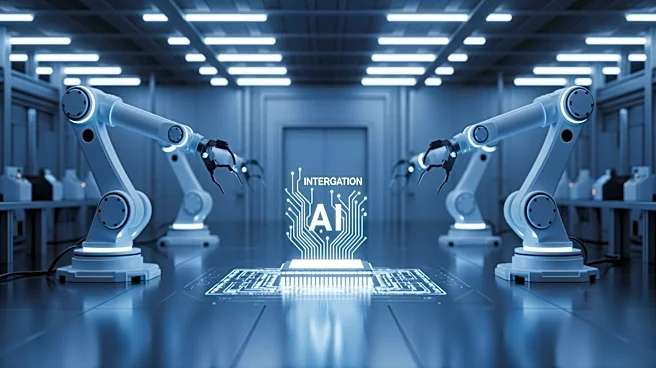
As manufacturers continue to modernize their systems, the focus will likely shift towards integrating advanced technologies such as artificial intelligence and machine learning to further enhance operational efficiency. Companies may also explore partnerships with technology providers to facilitate the transition and ensure compliance with regulatory standards. The success of these modernization efforts will depend on careful planning and execution, as well as the ability to manage the risks associated with transitioning from legacy systems. Stakeholders, including industry leaders and policymakers, will need to support these initiatives to drive innovation and maintain the sector's global competitiveness.
Beyond the Headlines
The push for modernization in manufacturing is not just about cost savings; it also has broader implications for workforce dynamics and environmental sustainability. As systems become more automated, there may be a shift in the skills required for manufacturing jobs, necessitating retraining and upskilling of the workforce. Additionally, modern systems are often more energy-efficient, contributing to reduced environmental impact and supporting sustainability goals. These changes reflect a broader trend towards more sustainable and technologically advanced manufacturing practices.