







What's Happening?
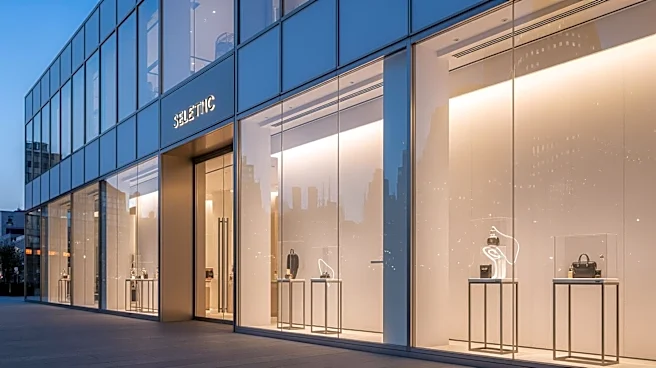
The global luxury retail market is experiencing a slowdown in rental growth, with a shift towards more selective expansion strategies. According to the Savills Global Luxury Retail Outlook 2026, average prime headline rents across 27 key luxury destinations
rose by only 0.9% in 2025, a significant decrease from the 6.6% growth in 2024. Despite this global trend, Singapore has shown resilience, achieving a 2% growth in prime luxury retail rents, outperforming the global average. The city-state remains a top destination for luxury brands, ranking among the top 10 cities worldwide for new luxury store openings. Singapore's appeal is bolstered by its status as a regional wealth hub and a premium tourism destination, particularly attracting high-net-worth visitors from the United States and Germany. Limited supply in key shopping districts like Orchard Road and Marina Bay continues to drive competition for flagship locations, supporting rental resilience.
Why It's Important?
The slowdown in luxury retail rental growth reflects broader economic trends and changing consumer behaviors. As the market becomes more selective, luxury brands are focusing on prime locations with high foot traffic and affluent clientele. This shift could impact global retail strategies, with brands potentially reallocating resources to fewer, but more strategic, locations. For Singapore, maintaining its position as a leading luxury hub could enhance its economic standing and attract further investment. The competition for prime retail space underscores the importance of strategic urban planning and development to accommodate growing demand. This trend also highlights the resilience of luxury markets in economically stable regions, which could influence future investment decisions by global luxury brands.