





What's Happening?
Formula 1 has announced a series of regulatory changes for the 2026 season, aimed at improving driver safety and enhancing competition. These changes were agreed upon during a meeting involving F1, the FIA, team bosses, and engine manufacturers. Key adjustments
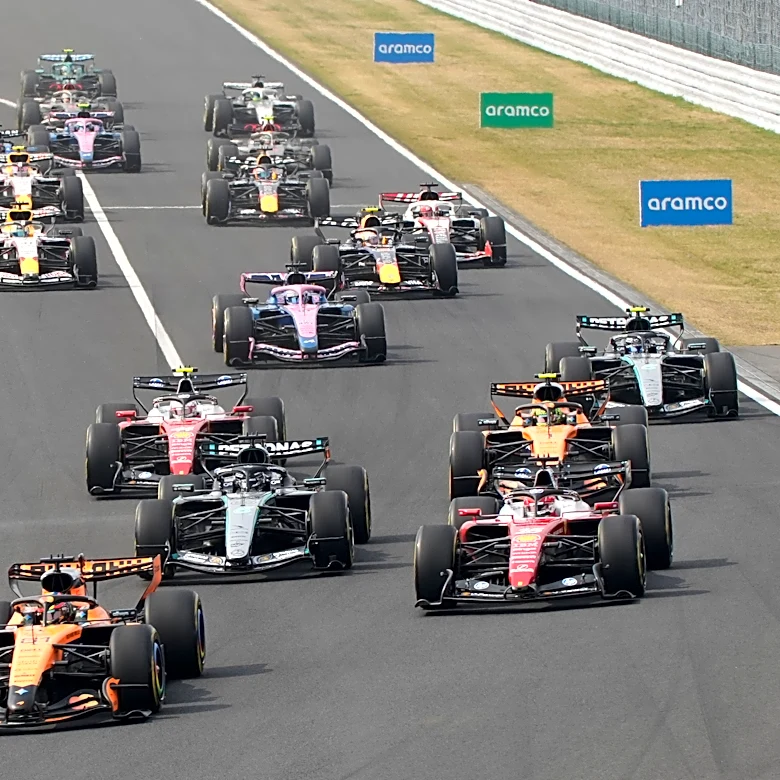
include modifications to energy harvesting and deployment limits, allowing drivers to push closer to flat-out driving during qualifying. Additionally, race conditions will see capped boosts and power deployment limits in corners to maintain safety. The changes also address start procedures and wet weather conditions, with new systems to detect low power starts and improve visibility in poor conditions. These measures are set to be trialed at the upcoming Miami Grand Prix.
Why It's Important?
The regulatory changes are significant as they address safety concerns raised by drivers and aim to enhance the overall racing experience. By allowing more consistent flat-out driving, the changes could lead to more exciting and competitive races, potentially increasing viewership and fan engagement. The focus on safety, particularly in start procedures and wet conditions, is crucial in preventing accidents and ensuring driver well-being. These adjustments also reflect the sport's responsiveness to feedback from drivers and teams, which is essential for maintaining the integrity and appeal of Formula 1.
What's Next?
The new regulations will be trialed at the Miami Grand Prix, with final approval from the World Motor Sport Council expected. The outcomes of these trials will likely influence further adjustments and refinements. Stakeholders, including teams and drivers, will be closely monitoring the impact of these changes on race dynamics and safety. The success of these measures could lead to their permanent adoption, shaping the future of Formula 1 racing.