





What's Happening?
U.S. airlines, including United and Delta, are cutting flights and raising prices in response to a sharp increase in jet fuel costs. The price surge is attributed to geopolitical tensions in the Middle East, particularly around the Strait of Hormuz, a critical
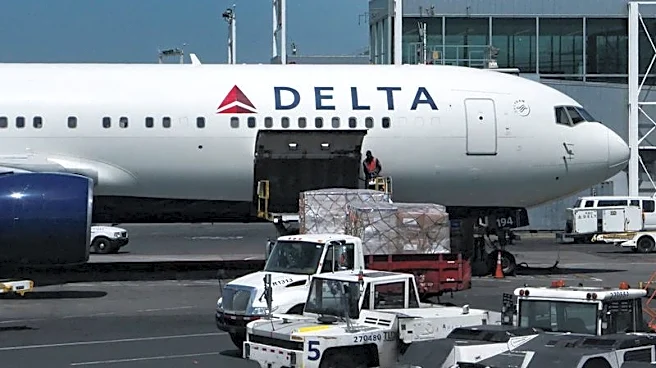
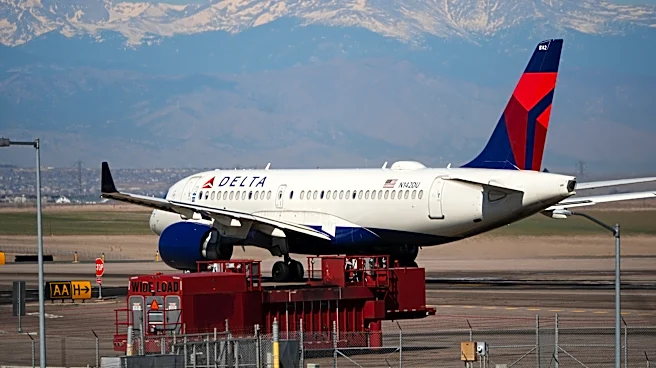
chokepoint for global oil supplies. United Airlines plans to reduce its flight schedule by about 5%, focusing on less profitable routes and redeye flights. Delta is also scaling back its capacity growth plans, leaving about 3.5% fewer seats than initially planned. The airlines are embedding higher operating costs into ticket prices and add-on fees, affecting travelers across various segments.
Why It's Important?
The adjustments by major U.S. airlines reflect the broader economic impact of volatile oil prices on the travel industry. As airlines pass on increased fuel costs to consumers, travelers may face higher airfares and reduced flight options, potentially altering travel plans and demand. The situation highlights the interconnectedness of global events and domestic economic conditions, with geopolitical conflicts directly influencing consumer costs. The airline industry's response to these challenges will be crucial in maintaining financial stability and customer satisfaction. The changes could also impact tourism and business travel, with potential ripple effects on related industries.
What's Next?
Airlines are expected to continue adjusting their operations in response to fuel price fluctuations. The industry may see further capacity reductions or fare adjustments if prices remain high. Airlines will likely explore additional strategies to manage costs and maintain profitability, such as dynamic pricing and operational efficiencies. Travelers may need to adapt to the new pricing landscape, potentially altering travel habits or seeking alternative transportation options. The situation remains dynamic, with ongoing geopolitical developments likely to influence future airline strategies and market conditions.