







What's Happening?
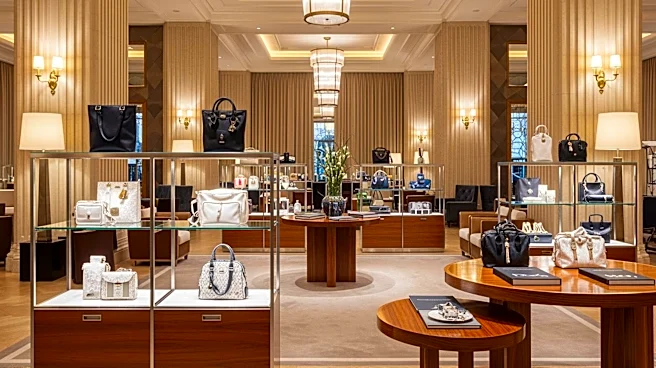
Hotels are increasingly being utilized as retail platforms, marking a significant shift in the hospitality industry. This transformation allows hotels to monetize the guest experience beyond traditional room revenue by integrating retail into their environments.
Brands are using hotel spaces to showcase and sell products, creating immersive environments where guests can interact with curated products and lifestyle brands. This approach is not entirely new, as major hotel brands like Marriott International and The Ritz-Carlton have long sold elements of the guest experience directly to consumers. However, the scale and integration of these efforts are expanding, with retail becoming embedded in the physical and experiential design of hotel spaces.
Why It's Important?
The integration of retail into hotel environments represents a convergence between hospitality, retail, and lifestyle branding. This shift is significant as it offers new revenue streams for hotel operators, allowing them to participate more directly in consumer spending. By leveraging existing space and guest engagement, hotels can enhance both guest experience and commercial performance. For consumer brands, hotels provide a controlled environment to present products in context, strengthening brand engagement and creating a direct connection between experience and transaction. This trend reflects broader changes in consumer behavior, where experiences are increasingly tied to purchasing decisions.
What's Next?
As the hospitality industry continues to evolve, hotels are likely to expand their use as retail platforms, particularly in the lifestyle and luxury segments. This approach may become an increasingly important component of long-term revenue strategy, positioning hotels as part of a broader experiential economy rather than standalone accommodation providers. Hotel operators will need to consider new strategies for curation, partnerships, and operational complexity as they integrate retail into their environments. The success of this model could influence other sectors to explore similar integrations, further blurring the lines between different industries.