


What's Happening?
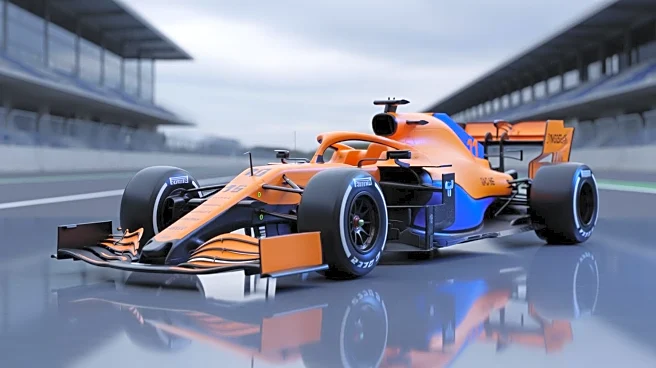
The 2026 F1 pre-season testing in Bahrain has left teams and analysts puzzled over which team holds the fastest car. Mercedes, Ferrari, McLaren, and Red Bull are all claiming not to be the fastest, creating a complex narrative. Mercedes set the fastest times during the test, but Ferrari showed strong performance in race simulations. Red Bull's new engine has impressed with its energy deployment system, while McLaren remains competitive. The introduction of new chassis and power units under the 2026 regulations has added layers of complexity, making it difficult to determine the true pecking order among the top teams.
Why It's Important?
The uncertainty surrounding the fastest team highlights the impact of the new 2026 regulations on F1. These changes have introduced
new variables that teams must navigate, potentially reshaping the competitive landscape. The strategic decisions made by teams in response to these regulations could influence their performance throughout the season. The ongoing debate over engine performance and potential rule changes could lead to significant shifts in team dynamics and strategies. As teams vie for dominance, their ability to adapt to the new regulations will be crucial in determining their success.
What's Next?
As the F1 season approaches, teams will continue to refine their cars and strategies in response to the new regulations. The upcoming races will provide further clarity on the competitive hierarchy. The FIA may face pressure to address concerns over engine performance and ensure fair competition. Teams will need to balance development and strategic planning to optimize their performance. The outcome of these developments will shape the narrative of the 2026 F1 season, with potential implications for future regulatory changes.