






What's Happening?
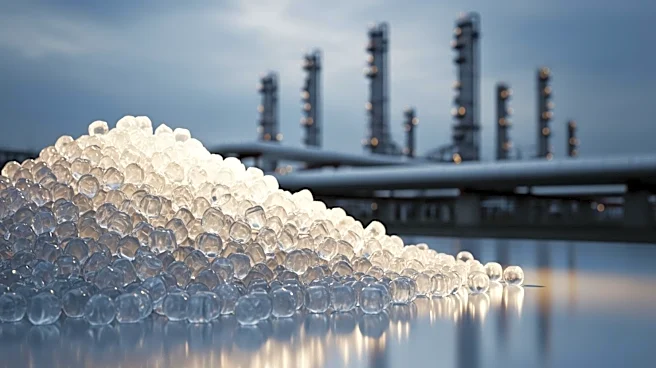
The oil and gas industries are intensifying efforts to expand plastic production, despite growing environmental concerns. According to a report by NPR, the International Energy Agency (IEA) projects that while oil use for fuel is expected to decline,
the demand for petrochemicals, primarily used in plastic production, will continue to rise. This trend positions petrochemicals as the largest driver of oil demand growth in the coming decade. Environmental journalist Beth Gardiner, in her book 'Plastic Inc.', highlights the deep connection between plastics and fossil fuel companies. The report underscores the historical development of the plastic industry and the strategic plans of these companies to increase plastic output, raising questions about the environmental impact and sustainability of such growth.
Why It's Important?
The push for increased plastic production by the oil and gas industries has significant implications for environmental policy and sustainability efforts. As the largest driver of oil demand growth, the petrochemical sector's expansion could undermine global efforts to reduce carbon emissions and combat climate change. This development poses challenges for policymakers and environmental advocates who are striving to limit plastic waste and promote sustainable alternatives. The continued reliance on petrochemicals for economic growth highlights the tension between industrial interests and environmental sustainability, potentially affecting regulatory frameworks and international agreements aimed at reducing plastic pollution.
What's Next?
The ongoing expansion of plastic production by the oil and gas industries is likely to prompt further debate and action from environmental groups and policymakers. As the demand for petrochemicals grows, there may be increased pressure on governments to implement stricter regulations on plastic production and waste management. Additionally, the development of bio-based plastics and other sustainable alternatives could gain momentum as stakeholders seek to mitigate the environmental impact of traditional plastics. The outcome of these efforts will depend on the balance between industrial growth and environmental responsibility, with potential implications for global trade and economic policies.
Beyond the Headlines
The drive to increase plastic production raises ethical and cultural questions about consumerism and the role of corporations in environmental stewardship. The pervasive use of disposable plastics reflects broader societal trends towards convenience and consumption, challenging individuals and communities to reconsider their relationship with material goods. Furthermore, the environmental impact of plastic waste, particularly in oceans and ecosystems, underscores the need for a cultural shift towards sustainability and conservation. This development may also influence public perception of the oil and gas industries, potentially affecting their social license to operate and prompting calls for greater corporate accountability.