
What's Happening?
A recent study published in GeroScience has found that walking can significantly increase aerobic fitness, decrease body fat, and reduce blood pressure in sedentary adults. The study highlights that walking engages
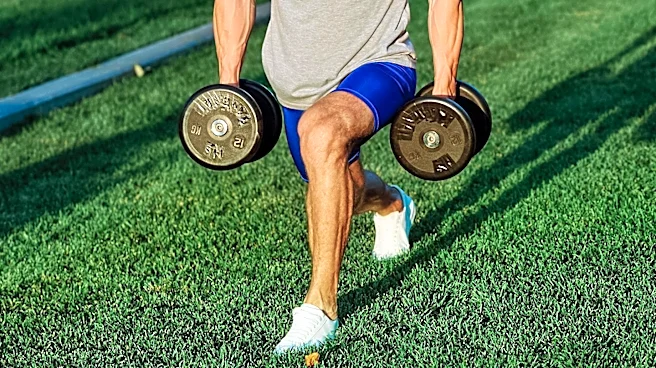
multiple muscle groups, including the quadriceps, hamstrings, glutes, and calves. While walking alone may not be sufficient for building muscle mass, it can help prevent age-related muscle loss, particularly in older adults and those with sedentary lifestyles. Experts suggest that incorporating inclines or weighted vests can increase the intensity of walks, but resistance training remains essential for muscle building.
Why It's Important?
The findings underscore the importance of walking as a low-impact exercise that can contribute to overall health, especially for those who are less active. By engaging various muscle groups, walking helps maintain muscle endurance and prevent muscle mass loss, which is crucial for aging populations. This study provides valuable insights for public health initiatives aimed at encouraging physical activity among sedentary individuals, potentially reducing healthcare costs associated with inactivity-related conditions.
What's Next?
For individuals looking to enhance their fitness routines, combining walking with resistance training could offer a balanced approach to improving both cardiovascular health and muscle strength. Fitness professionals may develop programs that integrate walking with other forms of exercise to maximize health benefits. Additionally, further research could explore the long-term effects of walking on muscle preservation and overall health in diverse populations.